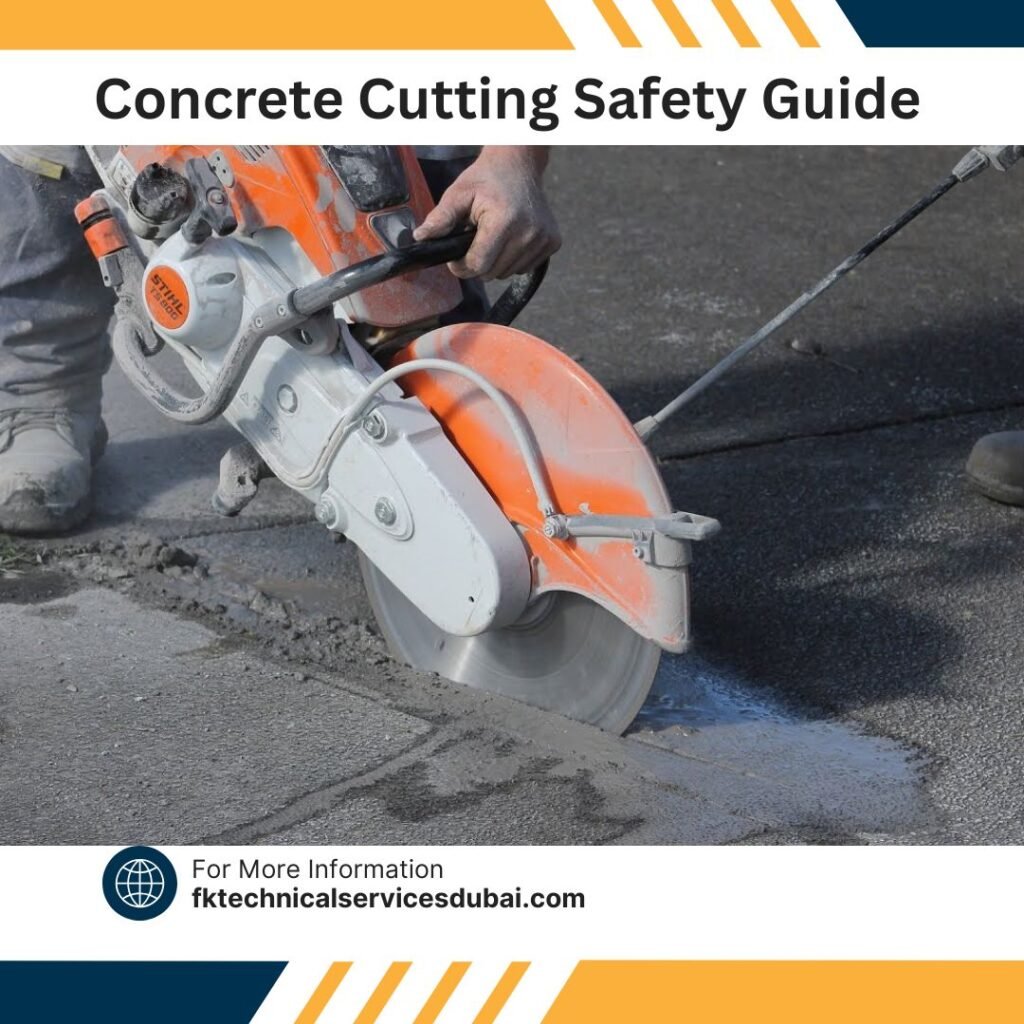
Concrete cutting safety means following the right steps, tools, and precautions to cut concrete without harming people, damaging property, or weakening a building. In this article, you will learn the biggest risks in concrete cutting work, the safety steps every good team should follow, how dust and noise are controlled, and why concrete cutting safety in Dubai needs a few extra checks because of local buildings and rules. By the end, you will know exactly what to look for before you allow any cutting work on your property.
Concrete cutting looks simple from the outside. A machine with a spinning blade or drill cuts through a wall or floor, and the job is done. But behind that simple picture, there is a lot that can go wrong. Dust can harm lungs, a wrong cut can hit a pipe or wire, and a heavy piece of concrete can fall if it is not handled with care. This is why concrete cutting safety is not something to skip or rush, no matter how small the job looks.
Let’s go through the main points in plain, simple words.
Why Concrete Cutting Safety Matters
Concrete cutting safety is not just a rule on paper. It protects real people and real property. Without it, a normal home or office job can turn into a costly accident.
Here is what can happen when safety is ignored:
- Workers breathe in harmful dust for hours without protection
- A blade hits a hidden electrical wire and causes a shock or fire risk
- A pipe is cut, causing a water leak inside the building
- A heavy cut piece of concrete falls and injures someone nearby
- The building structure is weakened because a load-bearing wall was cut without checking
None of this happens because concrete cutting is impossible to do safely. It happens when a team skips steps to save time or money. Good concrete cutting safety habits prevent almost all of these problems.
The Main Risks in Concrete Cutting Work
To understand concrete cutting safety, it helps to know the real risks a team is protecting against.
- Silica dust: Cutting concrete releases very small dust particles into the air. Breathing this dust again and again, over time, can damage the lungs.
- Hidden steel, pipes, and wires: Concrete often has steel bars inside it, and sometimes pipes or electrical cables too. Cutting into them without knowing can cause injury, leaks, or power problems.
- Loud noise: Cutting tools can be very loud, especially indoors or in small spaces. This can hurt ears over time.
- Heavy falling pieces: A cut section of wall or floor can be very heavy. If it is not supported, it can fall suddenly.
- Fumes from engines: Petrol-powered tools release fumes that are dangerous in closed spaces.
- Slippery, wet floors: Water used for dust control can make floors slippery if it is not managed properly.
- Weak structure after cutting: Cutting a load-bearing wall or slab without support can affect the strength of the building.
A good team plans around every single one of these risks before the first cut is made.
Key Concrete Cutting Safety Steps Every Team Should Follow
Concrete cutting safety is built on a series of simple, repeatable steps. Here is what a responsible contractor should always do:
- Site inspection first. The team checks the area, the concrete type, and what is nearby before any work begins.
- Concrete scanning. A scanner checks for steel bars, pipes, and electrical wires hidden inside the concrete.
- Checking load-bearing walls. If a wall supports the structure above it, extra planning and possibly an engineer’s advice are needed.
- Marking cutting lines clearly. This avoids confusion and reduces the chance of mistakes.
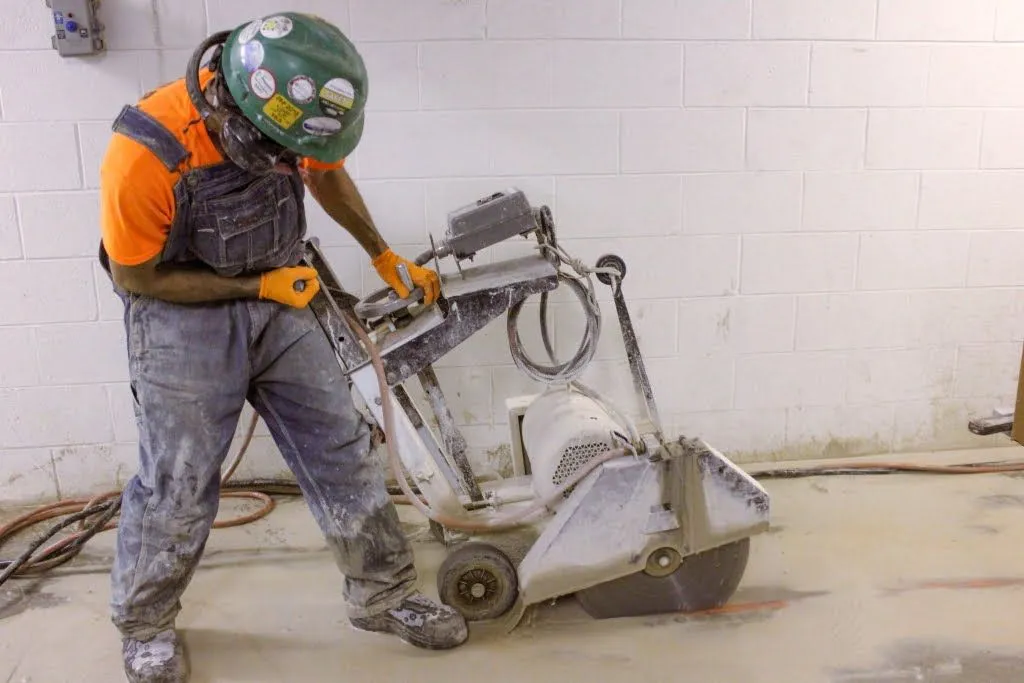
- Using wet cutting methods. Water on the blade reduces dust and keeps the tool cool.
- Using dust extraction. A vacuum system with a filter removes dust close to where it is created.
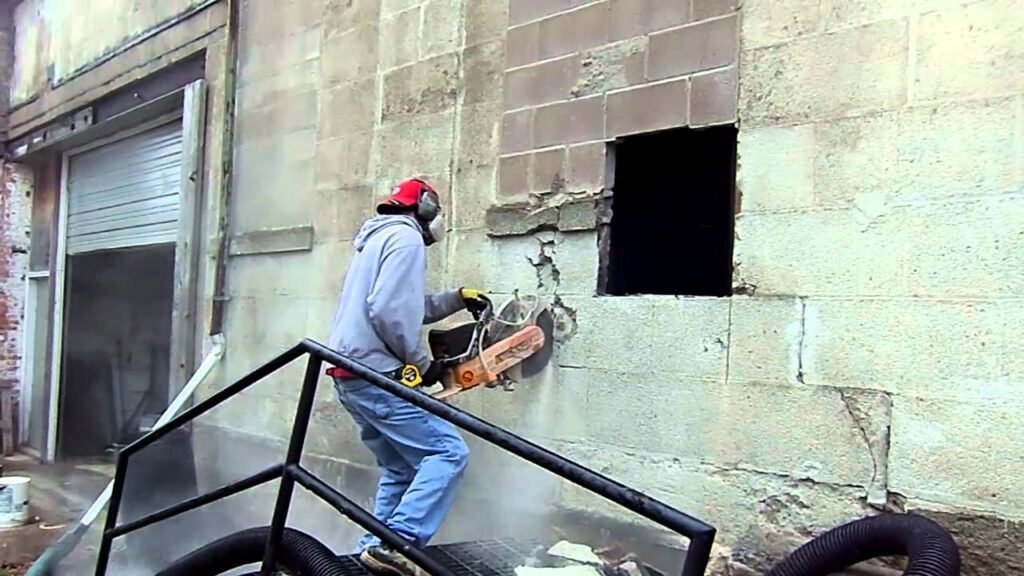
- Wearing proper safety gear. This includes masks, eye protection, ear protection, gloves, and safety shoes.
- Supporting heavy pieces. Cut concrete sections are held or lifted so they do not fall unexpectedly.
- Keeping the area clear. People who are not working on the job stay away from the cutting zone.
- Cleaning up properly. Dust, slurry, and broken concrete are removed once the work is done.
If a team follows all of these steps, most accidents and damage can be avoided completely.
Concrete Cutting Safety in Dubai: What Makes It Different
Concrete cutting safety in Dubai involves a few extra points because of how the city is built and how busy many sites are.
- Building approvals: Most towers, malls, and communities require written approval before any cutting work starts.
- Shared buildings: Apartments, offices, and shops are often close together, so noise and dust affect more people than in a standalone house.
- Hot weather: Dubai’s heat means workers need rest breaks, water, and careful planning, especially during summer months.
- Work timing rules: Some buildings only allow noisy or dusty work during certain hours of the day.
- Waste disposal rules: Concrete waste and slurry must be removed and disposed of properly, following local guidelines.
A team with real experience in concrete cutting safety in Dubai will already understand these rules, so your project is less likely to face delays or complaints from neighbors or building management.
How Dust Is Controlled During Concrete Cutting
Dust control is one of the most important parts of concrete cutting safety, especially indoors. Here is how professional teams manage it:
- Wet cutting: Water is sprayed directly on the blade or drill bit, which stops most dust from entering the air.
- Vacuum extraction: A shroud around the tool connects to a vacuum with a fine filter, catching dust right at the source.
- Plastic barriers: Sheets of plastic seal off the work area, so dust does not spread into other rooms.
- Covering AC vents: This stops dust from entering the air conditioning system and spreading through the building.
No method removes 100 percent of dust, but good concrete cutting safety practices reduce it by a large amount, protecting both workers and the people nearby.
Protecting Against Hidden Pipes, Wires, and Steel
One of the biggest parts of concrete cutting safety is knowing what is inside the concrete before cutting starts. This is done through concrete scanning, which uses a special device to detect:
- Steel reinforcement bars
- Electrical cables
- Water and drainage pipes
- Other hidden objects inside the slab or wall
Once these are found, the team marks safe cutting lines that avoid them. Skipping this step is one of the most common causes of accidents and expensive damage in concrete cutting work. If a company does not mention scanning as part of its process, that is a warning sign.
Structural Safety: Load-Bearing Walls and Slabs
Concrete cutting safety also includes checking whether a wall or slab is load-bearing, meaning it helps hold up the building. Cutting into a load-bearing structure without proper support can weaken the building and create long-term risks.
Before any major cut, a good team will:
- Check building drawings, if available
- Inspect the wall or slab’s thickness and position
- Get an engineer’s opinion for important structural cuts
- Add temporary or permanent support if the structure needs it
This step protects not just the current project but the long-term safety of the entire building.
Personal Safety Gear for Concrete Cutting
Concrete cutting safety is not only about the building. It is also about protecting the people doing the work. Proper gear should always include:
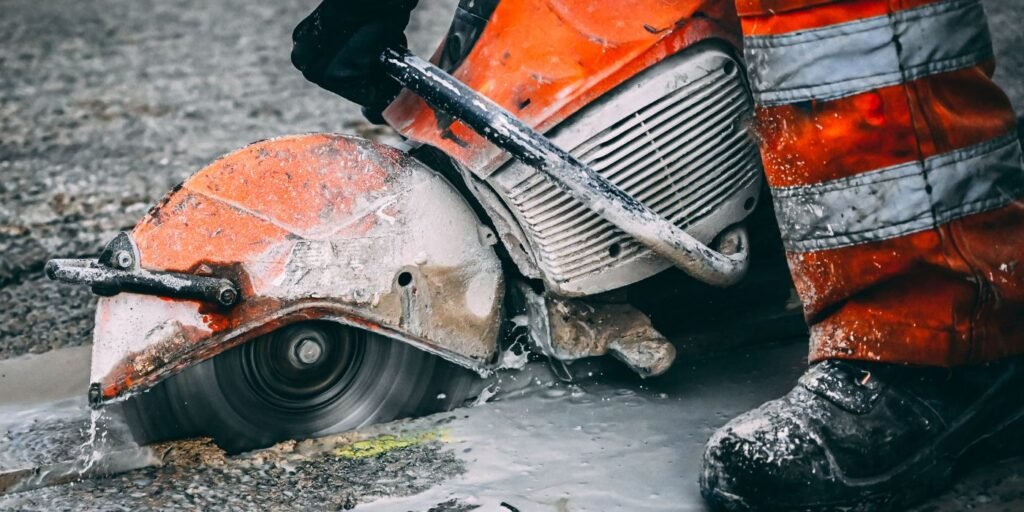
- Dust masks or respirators to protect the lungs
- Safety goggles to protect the eyes from dust and small particles
- Ear protection to reduce damage from loud noise
- Gloves to protect hands from sharp edges and vibration
- Safety shoes to protect feet from heavy falling objects
If workers on your site are not wearing this basic gear, it is a clear sign that concrete cutting safety is not being taken seriously.
How to Check If a Company Follows Concrete Cutting Safety Rules
Before hiring any team, ask a few simple questions to check their approach to concrete cutting safety:
- Do you scan the concrete before cutting?
- How do you check if a wall is load-bearing?
- What dust control methods do you use?
- What safety gear do your workers wear?
- Do you have a valid trade license?
- Can you show photos or examples of past safety practices on site?
A trustworthy contractor will answer these questions clearly and without hesitation. If a company avoids these questions or rushes you, it is best to look elsewhere.
Why Choose FK Technical Services for Safe Concrete Cutting
FK Technical Services is based in Dubai and offers concrete cutting, core cutting, core drilling, diamond cutting, wall cutting, slab cutting, concrete scanning, lift cutting, duct cutting, road cutting, demolition, and excavation. Concrete cutting safety is part of every step of our work, not an extra add-on.
Before any job, we inspect the site, scan the concrete, check if walls or slabs are load-bearing, and plan for dust and noise control. Whether it is a small home repair or a large commercial project, our approach to concrete cutting safety in Dubai stays the same: check first, protect always, then cut.
FAQs
1. What is the biggest risk in concrete cutting work?
Two of the biggest risks are silica dust, which can harm the lungs over time, and hidden pipes, wires, or steel bars inside the concrete. Both risks are managed through proper dust control and concrete scanning before cutting starts.
2. How does concrete scanning improve concrete cutting safety?
A scanner detects steel bars, pipes, and electrical wires hidden inside the concrete. This allows the team to mark safe cutting lines and avoid damaging important structures or utilities.
3. Is concrete cutting safe to do indoors?
Yes, when proper concrete cutting safety steps are followed, such as wet cutting, dust extraction, and careful scanning. Indoor jobs need extra care because dust and noise have less space to spread out.
4. What safety gear should concrete cutting workers wear?
Workers should wear dust masks or respirators, safety goggles, ear protection, gloves, and safety shoes. This gear protects them from dust, noise, sharp edges, and falling debris.
5. How do I know if a wall is safe to cut?
A professional team checks if the wall is load-bearing by reviewing building drawings, if available, and inspecting its position and thickness. For important structural walls, an engineer’s opinion is often recommended.
6. Why is concrete cutting safety in Dubai different from other places?
Dubai has many shared buildings, strict approval processes, hot weather, and specific work timing rules. A team familiar with concrete cutting safety in Dubai knows how to plan around these local factors.
7. What should I ask a contractor about their safety process?
Ask if they scan for hidden pipes and steel, how they control dust, what safety gear their workers use, and whether they hold a valid trade license. A reliable contractor will answer clearly and confidently.
Final Thoughts
Concrete cutting safety is not an extra step, it is the foundation of every good cutting or drilling job. From scanning for hidden pipes to checking load-bearing walls and controlling dust, each step protects your property, your workers, and the people around your site.
If you are planning any cutting work, do not take chances with a team that skips safety steps. Contact FK Technical Services today for a clear, honest approach to concrete cutting safety in Dubai.