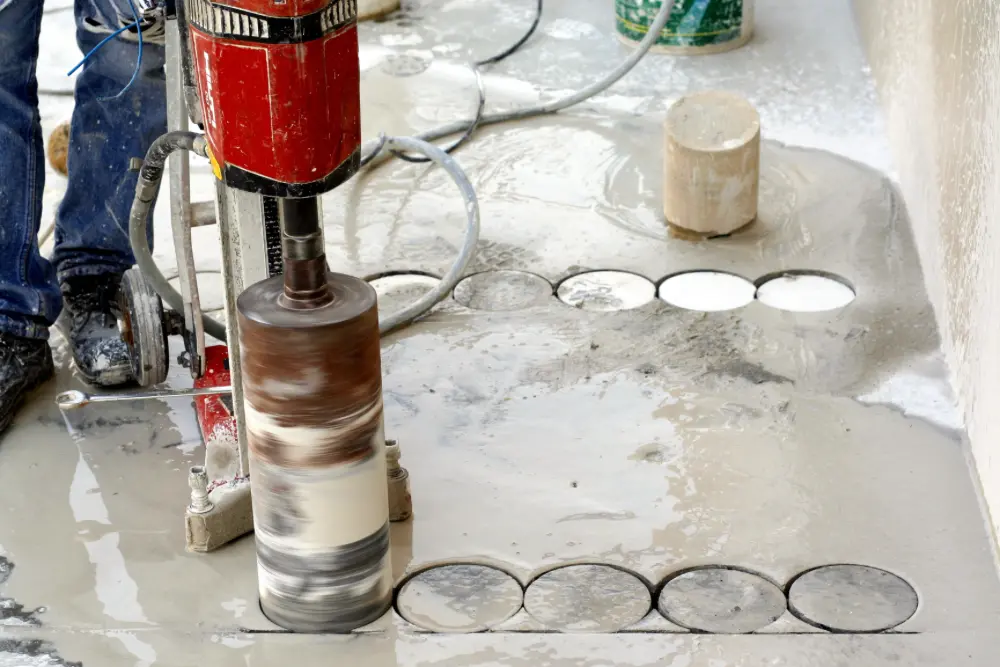
Drilling concrete slab in Dubai Marina means making clean, safe holes through the thick concrete floors of towers, apartments, and offices so pipes, cables, and ducts can pass through without damage. This guide explains why these slabs need extra care, the main reasons for drilling, how the work is done step by step, the safety and building rules to expect, what changes the price, and how to choose a trusted team. You will also find answers to common questions at the end.
Dubai Marina is full of tall towers, shared floors, and busy neighbors. A mistake here can hit a hidden cable, crack a slab, or send water or dust into the flat below. That is why drilling concrete slab in Dubai Marina should be planned and done by trained people. At FK Technical Service, we help owners, tenants, and contractors across Dubai with careful slab work. Read on to learn how it should be done.
Why Drilling Concrete Slab in Dubai Marina Needs Extra Care
A concrete slab is the thick floor between two levels of a building. In a tower, it does more than hold furniture. It carries the weight of the building, keeps fire and noise from spreading, and often hides pipes and cables inside.
Here is why slab work in towers needs more care than in a small house:
- People live and work below. A hole that goes all the way through opens into someone else’s ceiling.
- Slabs may have special steel. Many high-rise slabs have dense steel bars. Some use tight steel cables, called post-tensioned cables, that are under very high force.
- Building rules are strict. Most towers have management teams with set rules for noise, working hours, lifts, and approved contractors.
- Space is tight. Equipment has to be moved in lifts and used in small rooms.
- Fire and waterproofing matter. Holes must be sealed properly after the job.
Because of this, a good team plans every step before the first hole is drilled.
Common Reasons for Drilling Concrete Slab in Dubai Marina
Owners and tenants drill slabs for many reasons. The most common are:
- Plumbing: New water lines, drain pipes, or a new bathroom or kitchen layout
- Electrical work: Cables, conduits, or new lighting and power points
- Air conditioning: Ducts, refrigerant lines, or new units
- Fit-out work: Offices, shops, and restaurants that need new services
- Anchors and fixings: Holes for bolts that hold machines, railings, or steel parts
- Floor drains: New drains for wet areas, balconies, or kitchens
- Testing: Taking a small core sample so an engineer can check concrete strength
- Large openings: Corner holes before a slab section is cut out for stairs or ducts
Whatever the reason, the first rule is the same: find out what is inside and below the slab before you start.
Drilling Concrete Slab Services: What Is Included
A professional team does much more than make a hole. Typical drilling concrete slab services include:
- A site visit and a talk about your needs
- Checking the building plans, if available
- Scanning the slab for steel bars, cables, and pipes
- Marking the exact hole positions
- Protecting floors, furniture, and nearby areas
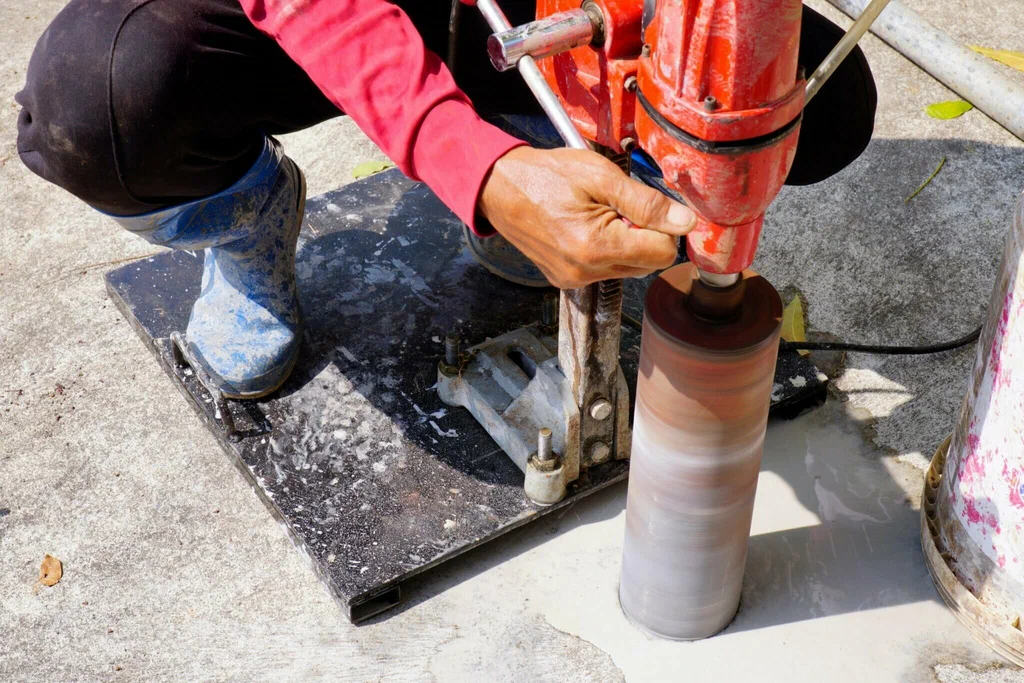
- Core drilling with water cooling and dust control
- Supporting and removing the concrete core safely
- Cleaning up slurry, dust, and debris
- Advice on sealing the holes after pipes or ducts are fitted
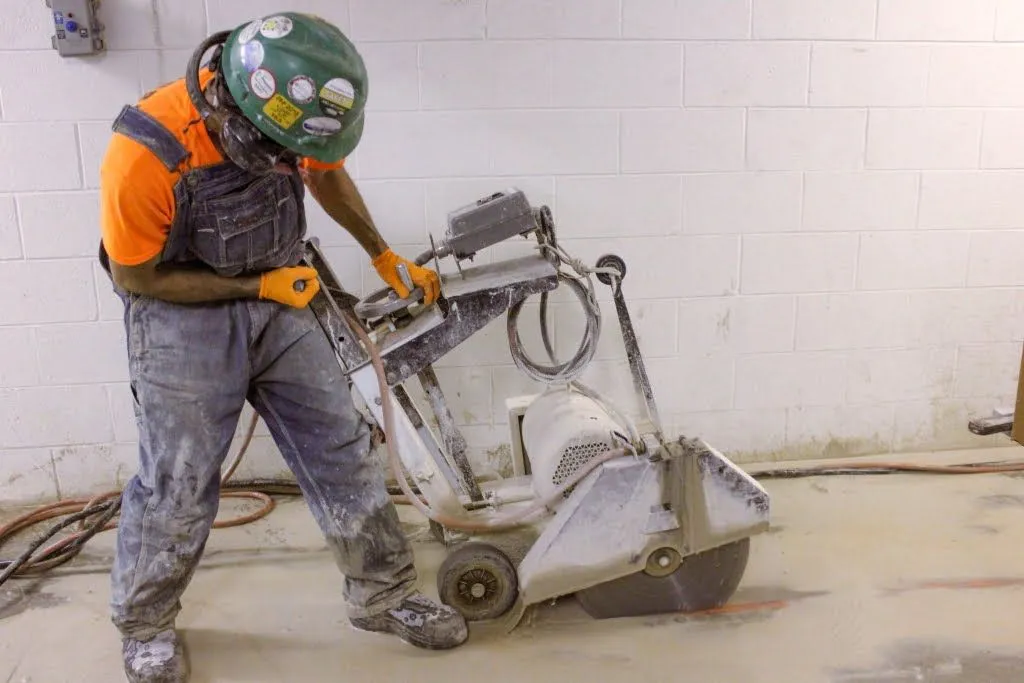
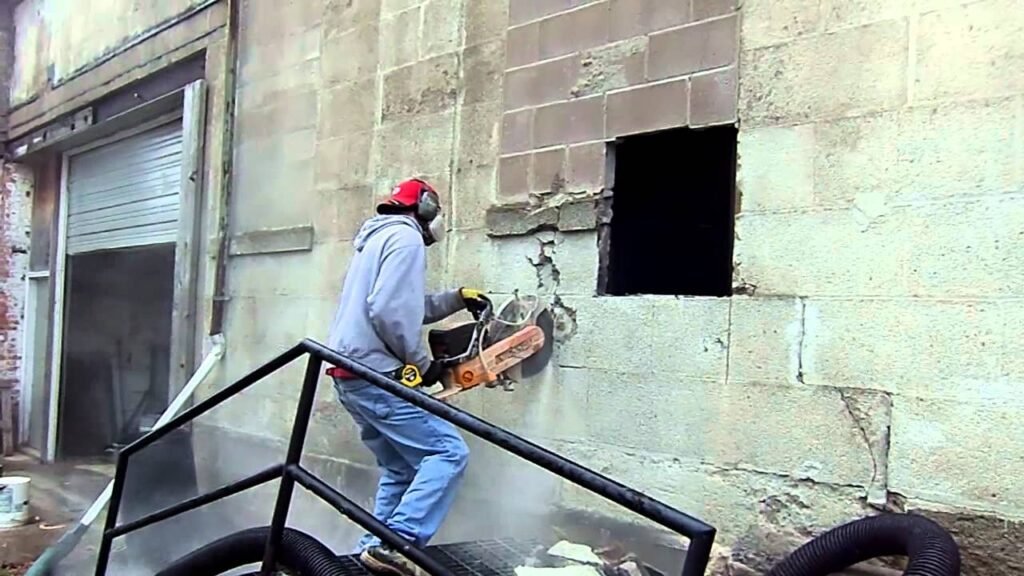
Many teams also offer wall sawing, slab sawing, and wire sawing, so one company can handle both small holes and large openings.
Slab Drilling Methods and Tools
Different jobs need different tools. Here are the main ones.
Core Drilling
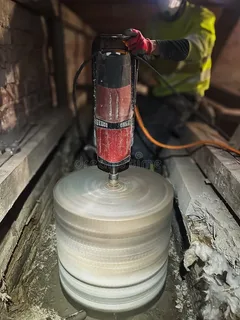
Core drilling uses a hollow diamond bit to cut a clean round hole. It leaves a solid round piece of concrete, called a core, which is lifted out. This method causes little shaking and is the best choice for most tower work.
How to Drill Through a Concrete Floor Safely
When people ask how to drill through concrete floor slabs, the safe answer is to use a core drill on a fixed rig, with water cooling, after scanning the slab. A normal hammer drill can crack the concrete, miss the target, and hit hidden steel or pipes. A core rig stays steady, so the hole is straight and neat.
Hammer Drilling for Small Holes
For very small anchor holes, a hammer drill with a masonry bit may be used. This works only for light jobs, and it still needs a scan first.
Wet and Dry Drilling
Wet drilling uses water on the bit to keep it cool and keep dust low. A vacuum then collects the muddy water. Dry drilling uses special bits and dust collectors, and is used where water cannot be allowed.
Scanning Tools
Scanners help find steel bars, pipes, and cables inside the slab. This step is very important for post-tensioned slabs, where hitting a cable can be dangerous.
How Drilling Concrete Slab in Dubai Marina Works Step by Step
Every site is different, but most jobs follow these steps.
Step 1: Check the rules. Ask the building management about work permits, working hours, lift booking, and any approved contractor list.
Step 2: Site visit. The team checks the room, the slab, and the area below. They talk with you about hole size and position.
Step 3: Scan and mark. The slab is scanned for steel, cables, and pipes. Safe hole positions are marked.
Step 4: Check below. The team checks what is under the slab, such as a ceiling, lights, or pipes, and informs the people below if needed.
Step 5: Protect and prepare. Floors and furniture are covered. Power and water are switched off where needed.
Step 6: Set up the rig. The core drill is fixed firmly in place so it cannot move.
Step 7: Drill. The bit cuts through the slab with water cooling. The team watches closely when the bit nears the bottom.
Step 8: Support the core. The concrete core is held or caught so it cannot fall into the room below.
Step 9: Clean and check. Slurry and dust are cleaned up. The hole is checked for size and neat edges.
Step 10: Seal after installation. Once pipes or ducts are fitted, the gap around them should be sealed in line with building rules, including fire and waterproofing needs.
Safety Rules for Drilling Concrete Slab in Dubai Marina
Safety is the top priority. A careful team will:
- Wear helmets, gloves, safety shoes, eye protection, ear protection, and dust masks
- Scan the slab and mark steel, cables, and pipes before drilling
- Ask about post-tensioned cables and avoid them unless an engineer approves
- Fix the drilling rig firmly so it cannot slip
- Control dust and water with covers, vacuums, and dust collectors
- Block off the area below when drilling all the way through
- Catch or support the core so it cannot fall
- Switch off power and water lines in the work area when needed
- Keep hoses and cables apart to avoid shocks or slips
- Clean up slurry quickly so floors are not slippery
If you are in a shared tower, tell your neighbors and the building team before the work starts. Noise and water can bother people, and a short notice avoids problems.
Building Rules and Permits to Expect
Most towers in busy areas like Dubai Marina have rules for any drilling or cutting work. You may be asked for:
- Written approval from the landlord or owner
- A work permit from the building or community management
- A no-objection certificate
- Details of the company and its workers
- A method statement and safety plan
- Insurance papers
- Set working hours, often with limits on noisy work
Rules differ from one building to another, so ask early. A professional company can tell you what is usually needed and help you prepare the papers. This stops your job from being paused halfway.
What Affects the Cost of Drilling Concrete Slab in Dubai Marina?
Every job is different, so there is no single price. These are the main things that change the cost:
- Number of holes: More holes mean more time and more bits.
- Hole size: Large holes take longer and need bigger bits and machines.
- Slab thickness: Thicker slabs need more time and effort.
- Steel inside: More steel makes drilling slower and wears out bits faster.
- Scanning: Scanning adds a small cost but protects you from big mistakes.
- Access: High floors, small lifts, and long carrying distances add effort.
- Working hours: Night work or short work windows need extra planning.
- Clean-up: Slurry and debris removal may add to the total.
- Extra work: Sealing, patching, and approvals may be separate costs.
To get a fair price, ask for a site visit and a written quote. Be careful with very low offers. Poor work can lead to damage, leaks, and repair bills later.
Drilling Concrete Slab Near Me: How to Choose the Right Team
When you search for drilling concrete slab near me, you will see many options. Use this checklist to choose well:
- Local experience: Pick a team that works in Dubai and knows tower rules.
- Right equipment: Diamond bits, rigs, and dust control show a proper setup.
- Scanning before drilling: Ask if they scan every slab first.
- Trained team: Skilled operators make fewer mistakes.
- Tower experience: Ask about past jobs in high-rise buildings.
- Safety plan: Ask how they handle dust, water, and falling cores.
- Clear quote: It should list the work, the hole sizes, and what is included.
- Help with approvals: A good company guides you through the papers.
- Plain talk: They should explain things in simple words.
Why Choose FK Technical Service for Drilling Concrete Slab in Dubai Marina?
At FK Technical Service, we focus on safe, neat, and on-time work for homes, offices, shops, and industrial sites across Dubai. We choose the right method for each slab, protect your property and your neighbors, keep dust and water under control, and clean up when we finish. From one small hole to many large ones, we plan every step with care.
Visit fktechnicalservicedubai.com to tell us about your project and ask for a clear quote.
FAQs about Drilling Concrete Slab in Dubai Marina?
How long does drilling concrete slab in Dubai Marina take?
It depends on the hole size, slab thickness, steel inside, and number of holes. A single small hole may take under an hour. Many holes in a thick slab can take a day or more. Waiting for building approval can also add time, so plan ahead.
Is slab drilling noisy and messy?
Core drilling is much quieter and cleaner than hammering. Water cooling keeps dust low, and a vacuum collects the slurry. A good team also protects the area and cleans up when the job is done.
Can I drill through a concrete floor myself?
For very small anchor holes, some people try. But we do not suggest it for pipes, ducts, or large holes. You could hit hidden steel, pipes, or cables, crack the slab, or damage the ceiling below.
What is a post-tensioned slab, and why does it matter?
It is a slab with tight steel cables inside. Cutting one by mistake can be dangerous and can weaken the floor. Always tell your contractor if you think your slab may have these cables, and get a scan or an engineer’s advice first.
Do I need permission in a Dubai Marina tower?
In most towers, yes. You usually need approval from the owner and the building management, and sometimes a work permit. Always check before you book.
Will drilling damage the flat below?
Not if the work is planned well. The team checks what is under the slab, supports the core, and controls dust and water. Telling your neighbors in advance also helps.
Do the holes need to be sealed afterward?
Yes, in most cases. Gaps around pipes and ducts should be sealed properly, including fire and waterproofing needs, in line with building rules. Ask your contractor and building management what is required.
Can you drill more than one hole in the same visit?
Yes. Many jobs need several holes, and it is usually cheaper and faster to do them together. Share your plan during the site visit so the team can mark all positions at once.
Final Thoughts on Drilling Concrete Slab in Dubai Marina?
Slab work in a tower is not a place for guesswork. With the right scan, the right tools, and a clear plan, drilling can be quick, clean, and safe for you and your neighbors. Check the building rules, ask about safety, get a written quote, and choose a team you trust. If you need help with drilling concrete slab in Dubai Marina, contact FK Technical Service and let our team handle the heavy work.