Concrete coring is a way of making clean, round holes in concrete walls, floors, and slabs using a hollow diamond bit, so pipes, cables, and ducts can pass through without cracks or damage. This guide explains what it is, how the procedure works step by step, how it works together with concrete cutting, why it is better than hammering, the safety rules to expect, what changes the price, and how to choose a trusted team in Dubai. You will also find answers to common questions at the end.
If you are fitting new plumbing, electrical lines, or air-conditioning in a villa, tower, shop, or office, you will need holes in very hard concrete. A hammer and a normal drill can crack the wall and hit hidden pipes. That is why many owners choose concrete coring from trained people. At FK Technical Service, we help homeowners, builders, and business owners across Dubai with neat, safe, and accurate coring work. Read on to learn how it should be done.
What Is Concrete Coring in Dubai?
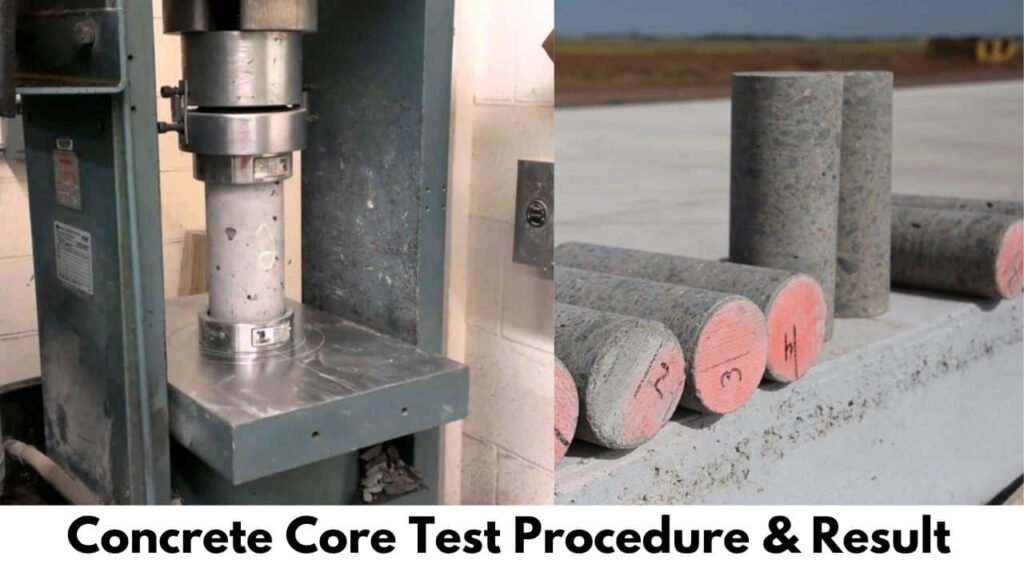
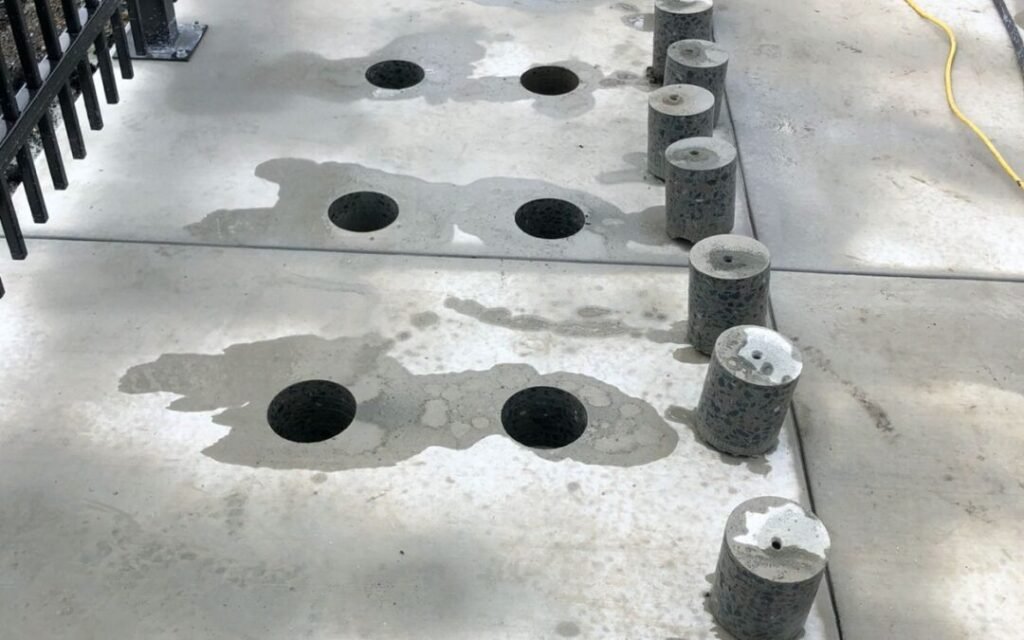
Concrete coring is a method that uses a hollow drill bit with diamond pieces on its edge. As the bit spins, it cuts a perfect circle in the concrete. In the middle, it leaves a solid round piece, called a core, which is then lifted out. People also call this core drilling or core cutting.
The bit can cut through Concrete coring and the steel bars inside it. The result is a smooth, round hole with very little cracking around it. That is a big reason why the method is so popular in a busy city like Dubai, where buildings are close together and many people live and work in shared spaces.
Common uses include:
- Holes for water supply pipes and drain pipes
- Holes for electrical cables and conduits
- Holes for air-conditioning ducts and refrigerant lines
- Holes for fire safety and sprinkler lines
- Holes for anchor bolts and fixings
- Test holes to take samples for checking concrete strength
- Corner holes before cutting a larger opening
The holes can be small, like a hole for a thin cable, or very large, like an opening for a big duct.
Why Choose Concrete Coring Over Hammer Drilling?
Many people ask why they should not just use a strong hammer drill. For small anchor holes, a hammer drill may be fine. But for pipes, ducts, and larger holes, Concrete coringis the better choice. Here is why:
- Clean edges: Coring leaves a smooth, round hole. Hammering often leaves rough, cracked edges.
- Low vibration: Diamond coring shakes the wall and floor very little, so nearby tiles, plaster, and pipes stay safe.
- Works through steel: Diamond bits cut steel bars inside concrete, while normal bits may stop or break.
- Exact size: The hole is the same size as the bit, so pipes and ducts fit well.
- Less dust: Wet coring uses water to cool the bit and keep dust down.
- Safer for buildings: The structure around the hole stays strong, with fewer cracks.
- Good for tall buildings: Low shaking and low noise are helpful in towers and shared buildings.
A rough hole may look cheaper at first, but patching cracks and fixing damage often costs more in the end.
Tools Used in Concrete Coring
Diamond Core Bits
These are hollow steel tubes with diamond pieces fixed on the edge. The diamonds do the cutting. Bits come in many sizes, from small to very large.
Core Drilling Rigs
A rig holds the drill steady and straight. It can be fixed to a wall or floor with an anchor bolt, or held in place with a vacuum base. A rig gives better accuracy and safety than a hand-held drill.
Water Supply and Vacuum
Water is fed onto the bit to keep it cool and to settle dust. A vacuum collects the muddy water, called slurry, so it does not spread on floors.
Scanning Equipment
Before coring, a team often scans the concrete to find steel bars, pipes, and cables. This helps place each hole in a safe spot.
Dry Coring Setups
In places where water cannot be used, special dry bits and dust collectors may be used. This is slower and needs extra care, but it is useful for some indoor areas.
Concrete Coring Procedure: Step by Step
Every site is different, but most jobs follow these steps.
Step 1: Check the rules. Ask the owner, landlord, or building management about permits, working hours, and noise limits.
Step 2: Site visit. The team checks the wall, floor, or slab, and agrees with you on hole sizes, positions, and depths.
Step 3: Scan and mark. The concrete is scanned for steel bars, pipes, and cables. The center of each hole is marked clearly.
Step 4: Protect the area. Floors, furniture, and nearby items are covered. Power and water are switched off where needed.
Step 5: Check below and behind. The team checks what is on the other side, such as a ceiling, a room, or a pipe, and warns people if needed.
Step 6: Fix the rig. The core drill is anchored or vacuum-locked so it cannot move.
Step 7: Start coring. The bit starts slowly to make a groove, then goes to full speed with water cooling.
Step 8: Cut through steel and concrete. The diamond bit cuts through everything in its path. The operator watches the depth and the feel of the machine.
Step 9: Remove the core. The round concrete piece is lifted out. In floors and ceilings, it is held or supported so it cannot fall to the level below.
Step 10: Clean and check. Slurry and dust are cleaned up. The hole is checked for size and neat edges.
Concrete Coring and Cutting: How They Work Together
Concrete coring and cutting are two parts of the same family of work, and many jobs use both. Here is how they fit together:
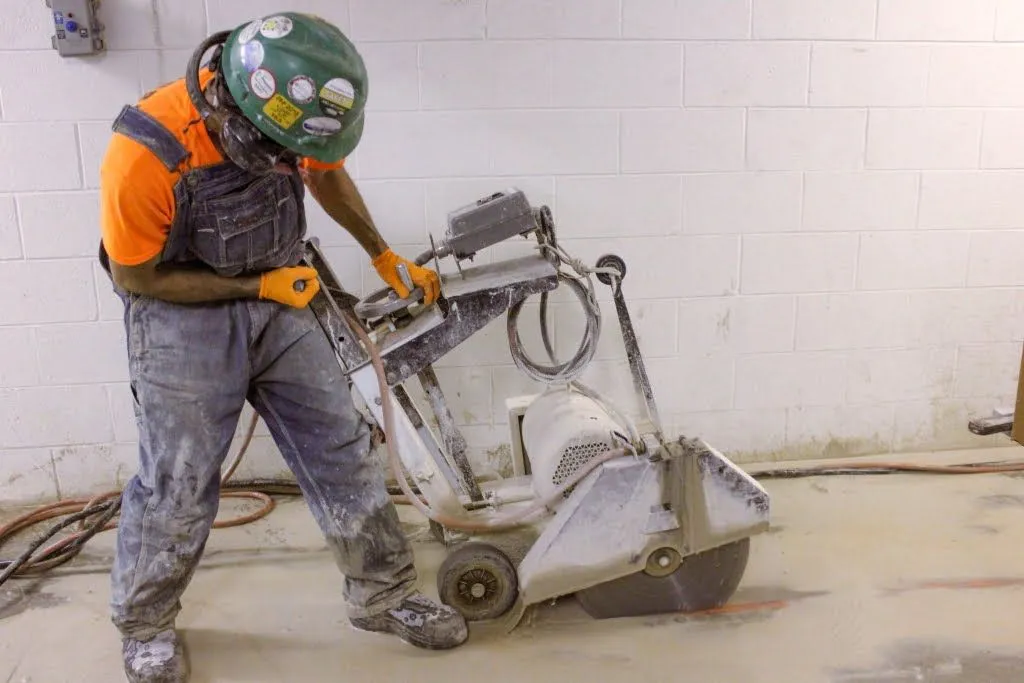
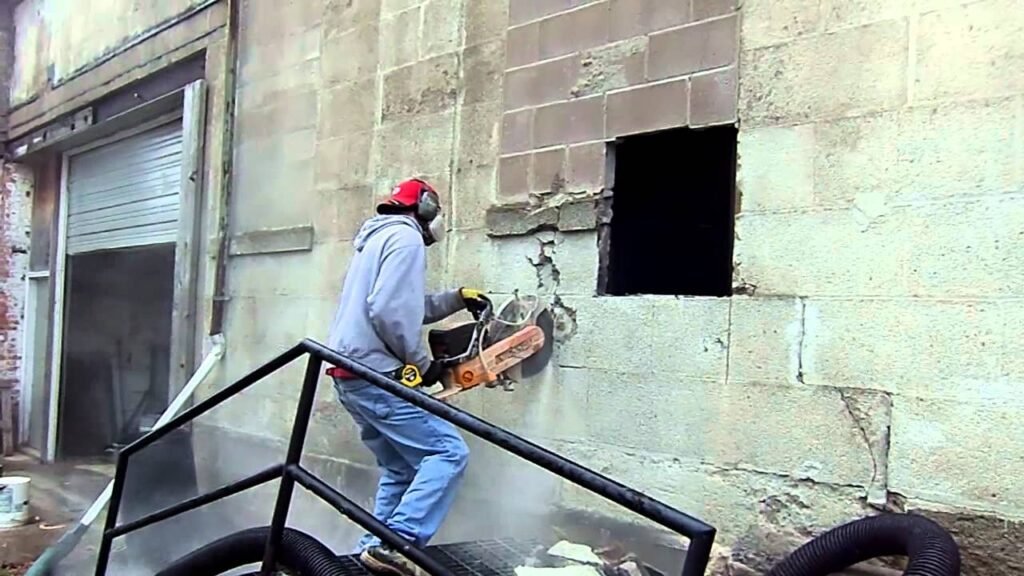
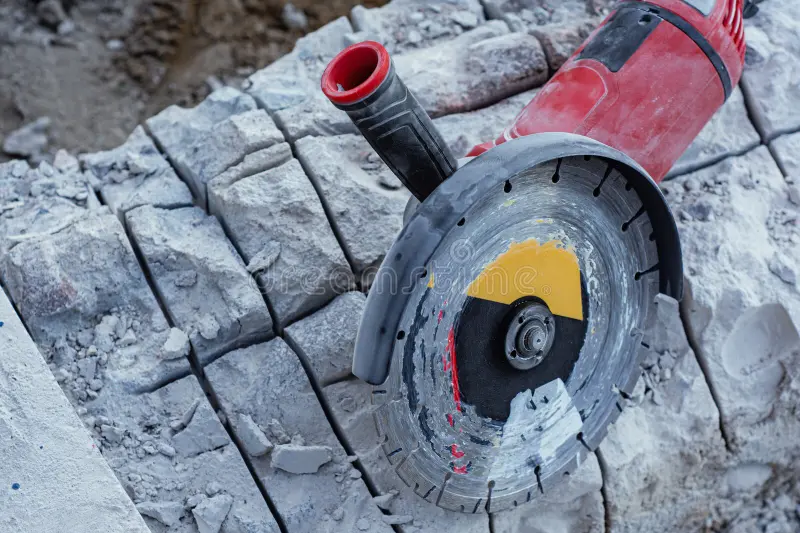
- Coring first, cutting second: Corner holes are cored first, and then a wall saw or floor saw cuts straight lines between them. This gives sharp, neat corners and stops the saw from cutting too far.
- Coring for services, cutting for openings: Coring is best for round holes for pipes and cables. Cutting is best for square or long openings like doors, windows, stairs, and trenches.
- Wire sawing for heavy work: For very thick concrete, wire saws may be used along with coring.
- One team, fewer problems: When the same team handles both, the plan, the safety steps, and the clean-up are all matched.
For example, to open a doorway in a concrete wall, a team may core four corner holes, cut the lines with a wall saw, and then lift out the section in safe pieces.
Safety Rules for Concrete Coring
Safety is very important, especially in busy buildings. A careful team will:
- Wear helmets, gloves, safety shoes, eye protection, ear protection, and dust masks
- Scan and mark steel, pipes, and cables before coring
- Switch off power and water in the work area when needed
- Fix the drilling rig firmly so it cannot slip
- Block off the area below when coring through floors
- Catch or support the core so it cannot fall
- Control dust and slurry with water, vacuums, and covers
- Keep electrical cables and water hoses apart to avoid shocks
- Use only trained operators
- Keep floors clean so no one slips
If you are in a shared building, tell your neighbors and the building team before the work starts. Noise and water can bother people, and a short notice avoids problems.
Permits and Approvals in Dubai
In Dubai, many buildings have rules for renovation and drilling work. You may need approval from the landlord, building or community management, and sometimes from the local authority. Some buildings also limit working hours, lift use, and noise.
Ask your building manager early about permits or a no-objection certificate. A professional company can tell you what papers are usually needed and help you prepare them, so your job does not get stopped halfway.
What Affects the Cost of Concrete Coring?
Every job is different, so there is no single price. These are the main things that change the cost:
- Hole size: Bigger holes need bigger bits and more time.
- Hole depth: Thick slabs and walls take longer to core.
- Steel inside: More steel bars slow down the work and wear bits faster.
- Number of holes: More holes take more time, but doing them together in one visit often helps the total price.
- Access: High floors, small lifts, and tight spaces add effort.
- Working hours: Night or weekend work needs extra planning.
- Dust and slurry control: Finished homes and shops need extra protection and clean-up.
- Scanning and extra work: Scanning, sealing, and patching may be separate.
To get a fair price, ask for a site visit and a written quote. Be careful with very low offers. Poor work can lead to damage, leaks, and repair bills later.
How to Choose the Right Coring Team Near You
When you search for a team near you, you will see many options. Use this checklist to choose well:
- Local experience: Pick a team that works in Dubai and knows local building rules.
- Right equipment: Diamond bits, rigs, and dust control show a proper setup.
- Scanning before coring: Ask if they check for steel, pipes, and cables first.
- Trained team: Skilled operators make fewer mistakes.
- Past work: Ask about jobs similar to yours, in villas, towers, or industrial sites.
- Safety plan: Ask how they handle dust, water, and falling cores.
- Clear quote: It should list the hole sizes, depths, and what is included.
- Fast reply: Quick answers show they care about your timeline.
- Plain talk: They should explain things in simple words.
Why Choose FK Technical Service?
At FK Technical Service, we focus on safe, neat, and on-time work for homes, offices, shops, and industrial sites across Dubai. We choose the right coring and cutting method for each job, protect your property, keep dust and water under control, and clean up when we finish. From one small hole to many large ones, we plan every step with care.
Visit fktechnicalservicesdubai.com to tell us about your project and ask for a clear quote.
Frequently Asked Questions
What is concrete coring used for?
Concrete coring used to make round holes in concrete for pipes, cables, ducts, drains, and fixings. It is also used to take test samples and to drill corner holes before bigger cuts. Many renovation, fit-out, and building projects need it.
How long does coring take?
It depends on the hole size, depth, and steel inside. A single small hole may take only a few minutes to under an hour. Many large holes in thick concrete can take a day or more. A site visit gives the best estimate.
Is core drilling noisy or messy?
It is much quieter and cleaner than hammering. Water keeps dust low, and a vacuum collects the slurry. A good team also protects the area and cleans up after the job.
Can it cut through steel bars inside concrete?
Yes. Diamond bits can cut through steel bars inside concrete. It takes more time and wears the bit faster, which can affect the price.
Will coring damage my building?
Not if it is done by trained people. The team scans for hidden pipes and cables, places holes in safe spots, and uses low-vibration methods. Always tell the team about any special slabs or structures.
Do I need permission in Dubai?
In most cases, yes. You usually need approval from the landlord or building management, and sometimes from the local authority. Always check before you book.
What is the difference between coring and cutting?
Concrete coring makes round holes with a hollow bit. Cutting uses saws to make straight lines, such as for doors, windows, and trenches. Many jobs use both together.
Can I do it myself?
For very small holes, some people try. But we do not suggest it for pipes, ducts, or large holes. Without the right tools and checks, you could hit hidden pipes or cables, crack the concrete, or get hurt.
Final Thoughts
Clean, exact holes make every plumbing, electrical, and air-conditioning job easier. With the right scan, the right tools, and a clear plan, coring is quick, safe, and neat. Check the permits, ask about safety, get a written quote, and choose a team you trust. If you need help in Dubai, contact FK Technical Service and let us handle the heavy work.