Concrete is built to last. That is one of the reasons it is used so widely across Dubai, from residential buildings and villas to commercial projects, warehouses, roads, and large construction sites. But strong concrete can become a challenge when you need to modify an existing structure.
A new doorway may need to be opened in a concrete wall. A contractor may need a hole for a drainage pipe or HVAC duct. A floor may need to be opened for new plumbing or electrical services. In other cases, part of a reinforced concrete structure may need to be removed during renovation or demolition.
Breaking the concrete without a proper plan can cause unnecessary damage. Concrete cutting provides a more controlled way to make the required opening or separation. There is no single cutting method for every project. The right technique depends on the thickness of the concrete, the location of the cut, the required size and depth, reinforcement inside the structure, and the working conditions on site. In this guide, we explain the most common types of concrete cutting in Dubai, where they are used, and how to choose the right method for your project.
What Is Concrete Cutting?
Concrete cutting is a controlled process used to cut concrete structures with specialized equipment and diamond cutting tools. Instead of breaking a large area of concrete, the contractor follows a planned cutting line or creates a specific opening. This can help keep the surrounding structure intact and make the next stage of construction easier.
Depending on the job, concrete may be cut using wall saws, floor saws, core drilling machines, handheld saws, or diamond wire systems.The method is selected according to the project rather than simply using the same machine for every job.
Common Types of Concrete Cutting in Dubai
1. Wall Sawing
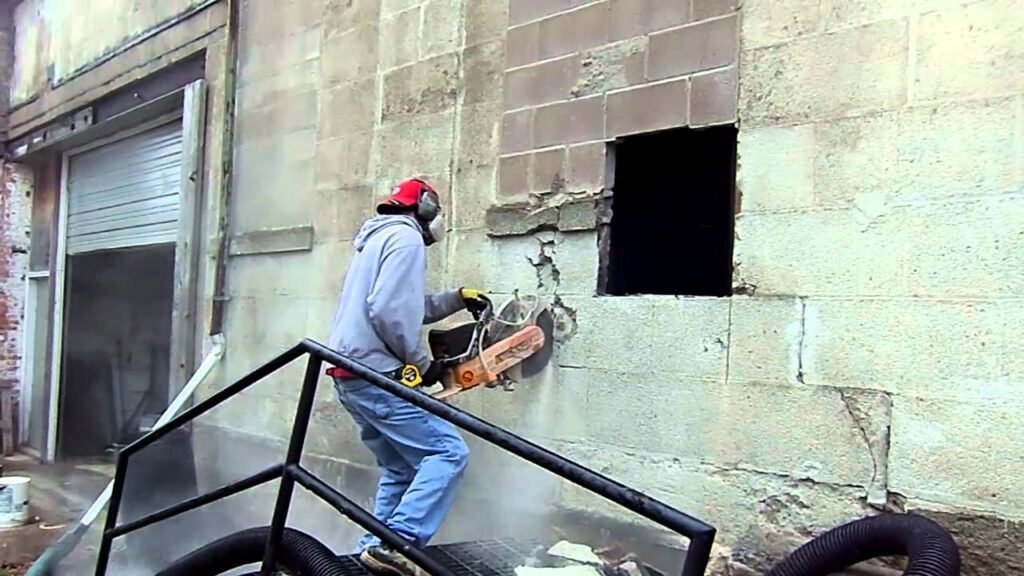
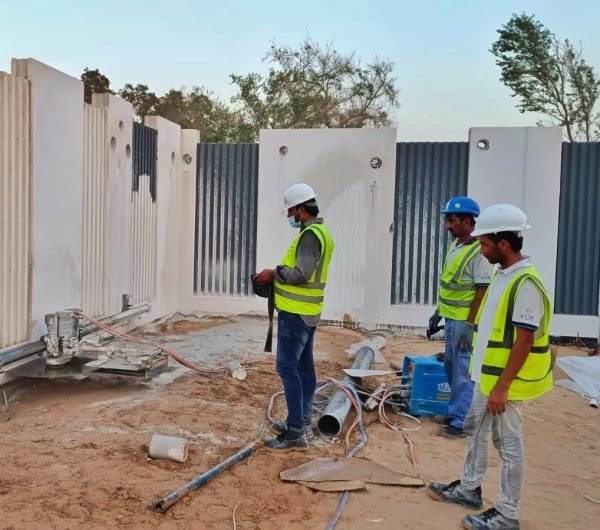
Wall sawing is used when a clean, straight cut is required through a concrete wall. The saw is usually mounted on a track. This allows the operator to control the movement of the blade and follow the marked cutting line accurately.
Wall sawing is commonly used when an existing building needs a new opening. For example, a renovation project may require a doorway, window, ventilation opening, or space for mechanical services. It can also be used for controlled removal of sections of reinforced concrete walls.
Typical applications include:
- Door and window openings
- HVAC openings
- Ventilation work
- Lift and staircase modifications
- Structural alterations
- Controlled concrete removal
For structural walls, the cutting plan should be prepared carefully before work begins.
2. Slab and Floor Sawing
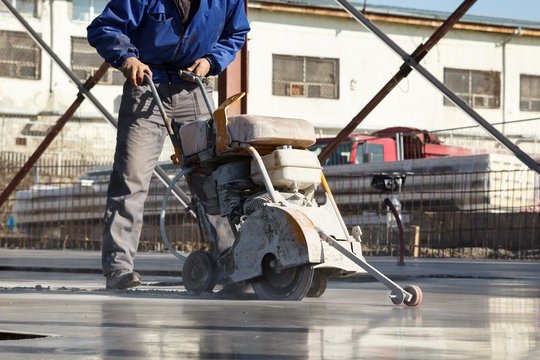
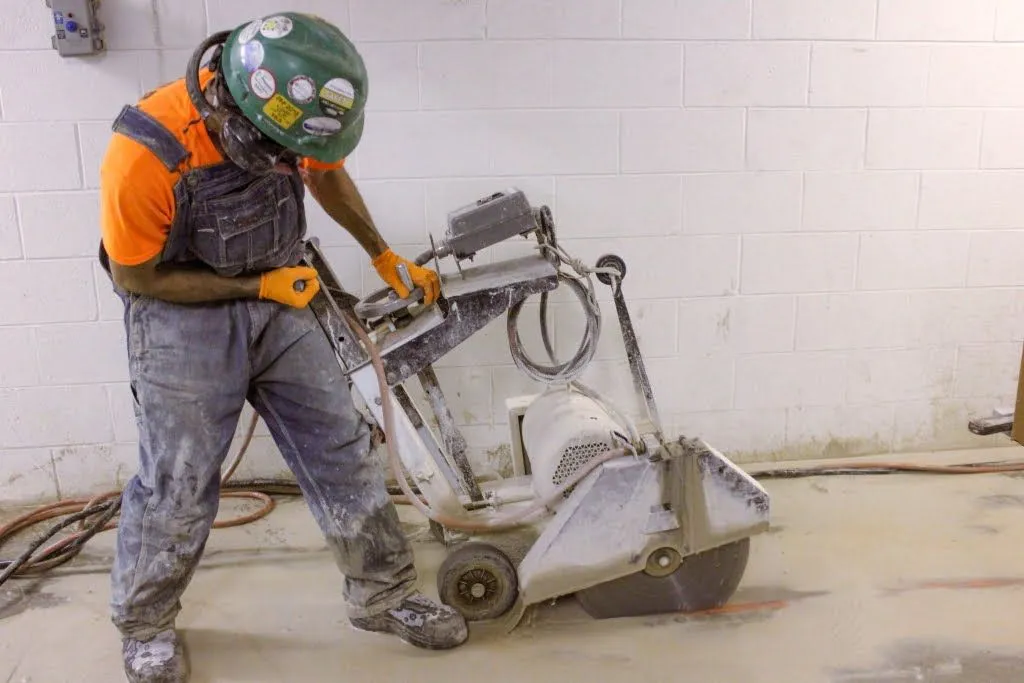
Floor sawing is designed for horizontal concrete surfaces. It is often used on floors, slabs, pavements, parking areas, and similar flat surfaces. Imagine a building where new plumbing needs to be installed beneath an existing concrete floor. Rather than breaking a large section of the floor, a contractor can make controlled cuts along the required area and remove the concrete section.
This approach can make the work more precise and easier to manage.
Floor and slab cutting can be used for:
- Plumbing trenches
- Electrical service routes
- Drainage work
- Floor repairs
- Expansion joints
- Concrete removal
- Parking areas
- Pavement work
The required cutting depth should always be considered before the work starts, particularly when the slab contains reinforcement or other embedded elements.
3. Diamond Core Cutting
If you need a round opening through concrete, core cutting is usually the appropriate method. A diamond core drill removes a cylindrical section of concrete and produces a circular hole. The size of the hole can be selected according to the requirements of the installation.
Core cutting is common in construction and MEP work because pipes, cables, ducts, and other services often need to pass through existing concrete walls or slabs.
Common applications include:
- Plumbing pipes
- Electrical conduits
- HVAC systems
- Drainage pipes
- Fire protection systems
- Cable routes
- Service penetrations
One advantage of core cutting is that it creates a precise opening without requiring a large section of surrounding concrete to be removed.
4. Diamond Wire Sawing
Some concrete structures are too thick, heavily reinforced, or difficult to access with a conventional saw. Diamond wire sawing can be a solution for these situations.
Instead of using a circular blade, this method uses a continuous diamond wire to cut through the concrete. The wire can be arranged around large or unusually shaped sections, giving contractors more flexibility on difficult jobs.
It may be used for:
- Thick reinforced concrete
- Large structural sections
- Foundations
- Beams
- Bridge components
- Large concrete blocks
- Controlled demolition
Because these projects can involve heavy structural sections, the cutting and removal process needs careful planning.
5. Handheld Concrete Cutting
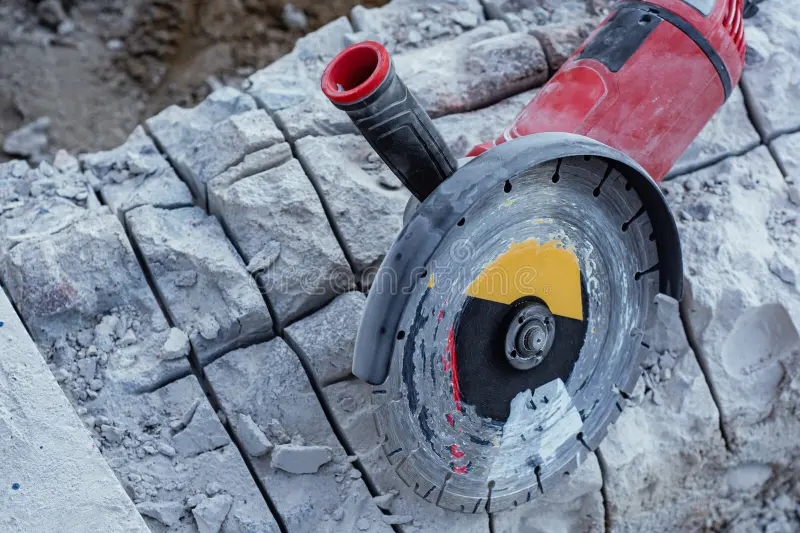
Large machines are not always practical, especially in small or restricted areas. Handheld diamond saws can be useful for smaller cuts, detail work, repair projects, and locations where larger equipment cannot be positioned easily.
The advantage is flexibility. However, handheld equipment is not suitable for every job. The thickness and hardness of the concrete should be considered before choosing this method.
6. Road and Pavement Cutting
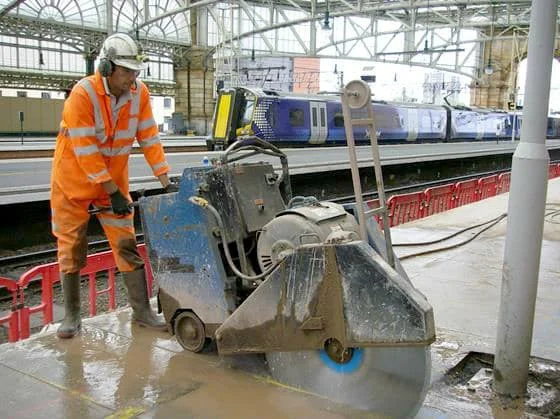
Concrete and asphalt cutting are also common in road and infrastructure projects. When underground utilities need to be installed or repaired, contractors may need to open a specific section of a road or pavement. A saw can be used to create controlled cutting lines before the selected section is removed.
This can be useful for:
- Utility installation
- Drainage work
- Road repairs
- Cable installation
- Pipeline work
- Pavement maintenance
After the required work is completed, the opened section can be repaired according to the project specifications.
How Do You Know Which Cutting Method You Need?
Choosing a concrete cutting method is not simply about selecting the most powerful machine. The first question is: What type of cut do you need? If you need a round hole for a pipe, core cutting is generally the logical choice. If you need a straight opening through a wall, wall sawing may be more suitable.
If you need a long straight cut across a floor, slab or floor sawing may be appropriate. For very thick or difficult-to-access concrete, diamond wire sawing may offer the flexibility required.
Other factors also matter, including:
- Concrete thickness
- Reinforcement
- Required cutting depth
- Opening dimensions
- Access to the work area
- Nearby structures
- Presence of pipes or electrical services
- Amount of concrete that needs to be removed
A site assessment before cutting can help identify the most practical approach.
Why Is Concrete Scanning Important?
One of the biggest risks when cutting an existing concrete structure is not knowing what is hidden inside it. Concrete may contain reinforcement bars, electrical conduits, pipes, or post-tensioning systems. Cutting into one of these accidentally can lead to expensive damage and, in some cases, serious safety problems.
For this reason, concrete scanning can be an important part of the preparation process. Ground Penetrating Radar (GPR) and other scanning techniques can help locate embedded elements before drilling or cutting begins. Scanning does not replace engineering judgment, particularly when structural elements are involved, but it can provide useful information about what is inside the concrete.
Benefits of Professional Concrete Cutting
Accurate Cuts
Professional equipment allows the cutting line, depth, and opening dimensions to be controlled more carefully.
Less Unnecessary Damage
When only a specific section needs to be removed, controlled cutting can avoid damaging larger areas of the structure.
Cleaner Openings
A properly planned cut can provide a cleaner edge for follow-up work such as installing doors, windows, pipes, ducts, or other services.
Suitable for Difficult Concrete
Diamond cutting equipment can be used on many types of reinforced and hard concrete when the correct technique is selected.
Better Control During Renovation
Renovation work often takes place inside an existing building where unnecessary vibration, dust, and damage can create additional problems. Controlled cutting can help contractors work more precisely.
Easier Concrete Removal
Cutting a large section into manageable pieces can make subsequent removal and handling more organized.
Where Is Concrete Cutting Used in Dubai?
Concrete cutting is not limited to large construction sites. It can be required in many different situations, including:
- Villa renovations
- Apartment modifications
- Commercial fit-outs
- Hotel projects
- Warehouse construction
- MEP installations
- Plumbing projects
- HVAC installations
- Electrical work
- Road and pavement projects
- Structural modifications
- Controlled demolition
For example, a property renovation may require several different cutting techniques on the same project. Core cutting could be needed for service pipes, while wall sawing may be required for a new opening and floor sawing for a drainage route.
Concrete Cutting vs. Concrete Breaking
These two methods are sometimes confused, but they serve different purposes.
Concrete breaking is generally used when the goal is to demolish or remove concrete quickly.
Concrete cutting is used when a contractor needs more control over where the concrete is separated or removed.
For a complete demolition project, breaking equipment may be appropriate. But if you need one specific opening in an existing wall or slab, uncontrolled breaking could damage areas that are supposed to remain. In some projects, both methods are used together. Concrete is first cut along specific lines, and the separated sections are then broken down and removed.
Safety Comes Before Cutting
Concrete cutting should never be treated as a simple machine operation. Before work begins, the area should be inspected and the cutting process planned. Workers need suitable protective equipment, and the work zone should be controlled.
Depending on the project, important checks may include:
- Identifying hidden services
- Checking reinforcement
- Confirming cutting depth
- Marking the cutting area
- Selecting the appropriate equipment
- Managing water and slurry
- Controlling dust
- Planning concrete removal
- Providing suitable support where required
Extra care is needed when cutting structural walls, slabs, beams, columns, or other load-bearing elements. These situations may require input from a qualified structural professional before cutting begins.
Final Thoughts about types of concrete cutting in Dubai
The different types of concrete cutting in Dubai are designed for different jobs.
Wall sawing is useful for straight openings in walls. Floor and slab sawing can create controlled cuts in horizontal surfaces. Core cutting is ideal for circular penetrations, while diamond wire sawing can be used for thick or difficult concrete structures.
The important thing is not to choose a cutting method based only on the equipment available. The structure, required opening, cutting depth, reinforcement, access, and surrounding conditions all need to be considered.
If you are planning construction, renovation, MEP installation, structural modification, or controlled concrete removal in Dubai, a professional site assessment can help determine the safest and most suitable cutting method for the job.
FAQs about types of concrete cutting in Dubai
What are the main types of concrete cutting in Dubai?
types of concrete cutting in Dubai include wall sawing, floor and slab sawing, diamond core cutting, diamond wire sawing, handheld cutting, and road or pavement cutting.
Which method is used to make a round hole in concrete?
Diamond core cutting is normally used to create circular openings for pipes, cables, ducts, and other services.
Can reinforced concrete be cut?
Yes. Specialized diamond cutting equipment can cut many reinforced concrete structures. However, the reinforcement and structural requirements should be considered before cutting.
Why should concrete be scanned before cutting?
Scanning can help identify reinforcement, pipes, electrical conduits, post-tensioning elements, and other objects hidden inside concrete before cutting begins.
Is wall sawing suitable for creating a doorway?
Wall sawing can be suitable for creating straight openings such as doorways and windows, depending on the wall structure and project requirements.
What is the difference between floor sawing and core cutting?
Floor sawing produces straight cuts across horizontal concrete surfaces, while core cutting produces round holes through concrete.
Do all concrete cutting projects require the same equipment?
No. Equipment is selected according to factors such as concrete thickness, cutting depth, opening size, reinforcement, access, and the type of cut required.