Concrete excavation is the work of cutting, breaking, and digging out hard concrete, such as old slabs, foundations, footings, and paved areas, and then removing it from the site safely so the ground is ready for new work. This guide explains what it means, the common jobs, the methods and machines used, how permits and safety work in Dubai, what changes the price, and how to choose a trusted team near you. You will also find answers to common questions at the end.
Many owners are surprised when a simple digging job turns into a hard concrete job. Normal digging tools cannot get through thick, steel-filled concrete. That is why concrete excavation needs the right plan, the right machines, and trained people. At FK Technical Service, we help homeowners, builders, and developers across Dubai with cutting, breaking, and removal work. Read on to learn how a good job should be done.
What Is Concrete Excavation?
Normal excavation means digging soil, sand, or rock. Concrete excavation is different, because you must first break or cut the concrete, and then dig out and remove the pieces. In many jobs, you also dig the soil under or around the concrete.
Here is why it needs extra care:
- Concrete is very hard. It needs strong tools, not a normal shovel or small digger.
- It often has steel bars inside. The steel must be cut and removed along with the concrete.
- It may be connected to other parts. Walls, columns, pipes, and foundations can all be attached.
- It makes a lot of heavy waste. Broken concrete must be loaded, carried, and dumped or recycled the right way.
Good work means removing only what you need, protecting the parts that stay, and leaving the ground clean, level, and ready for the next step.
Common Jobs That Need Concrete Excavation
There are many reasons to Concrete excavation. These are some of the most common ones in Dubai:
- Removing old slabs: Ground floors, garage floors, and yard slabs that are cracked or no longer needed
- Taking out foundations and footings: Old bases from demolished buildings or walls
- Clearing driveways and paving: Concrete roads, parking areas, and pavements
- Opening trenches in floors: Cutting through slabs to lay pipes, drains, or cables
- Removing old tanks and pits: Water tanks, septic tanks, and pits made of concrete
- Pool removal or rebuilding: Breaking out old concrete pools in villas
- Machine base removal: Heavy concrete blocks from old factory machines
- Basement and lift pit work: Digging out concrete to make space for new levels or shafts
- Site clearing: Removing leftover concrete before new construction starts
- Repair work: Taking out damaged sections and replacing them with new concrete
Each job needs a slightly different plan, but the basic steps are similar.
Excavation Concrete: How Breaking and Digging Work Together
When people talk about excavation concrete work, they mean two jobs that go hand in hand. First, the concrete must be broken or cut into pieces. Second, those pieces and the soil around them must be dug out and removed.
If the first step is rushed, the second becomes slow and messy. If the first step is done well, the second becomes quick and clean. Here is how a good team connects the two:
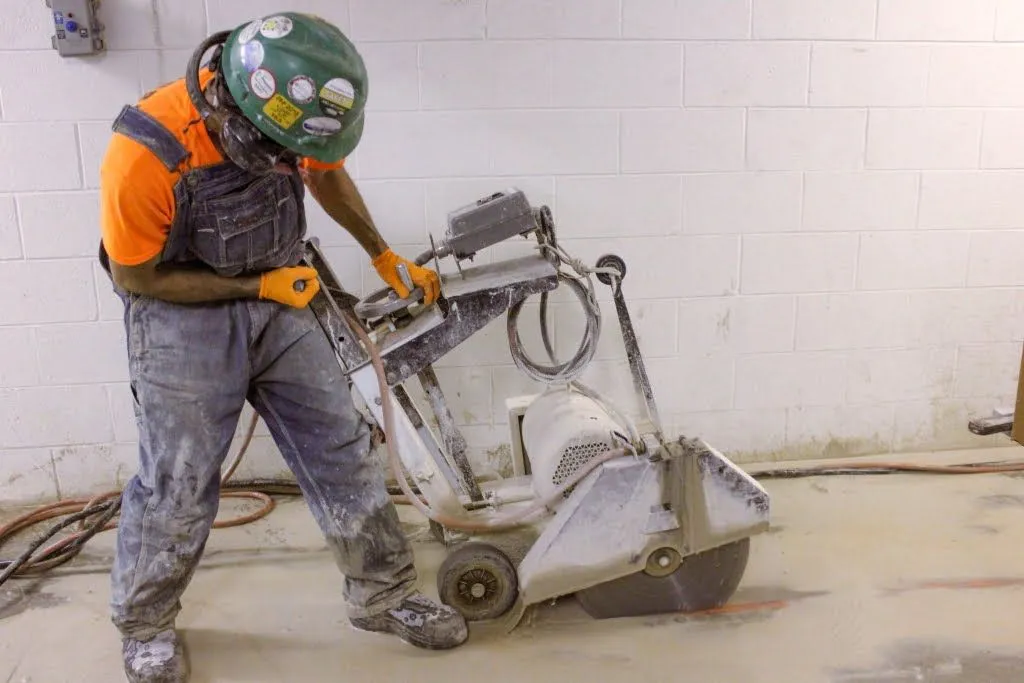
- Saw cutting first: Concrete saws cut straight lines along the edge of the area. This gives a clean border and stops cracks from spreading into the part that stays.
- Breaking in sections: Breakers or crushers break the concrete into pieces that machines can lift.
- Cutting the steel: Steel bars are cut with torches, shears, or grinders and removed.
- Digging and loading: Excavators and loaders lift the pieces and soil into trucks.
- Leveling the ground: The area is checked, cleaned, and leveled for the next stage.
This order saves time and protects nearby areas.
Methods and Equipment Used
The right tool depends on the thickness of the concrete, the space available, and how close other buildings are. Here are the main options.
Excavators with Breakers
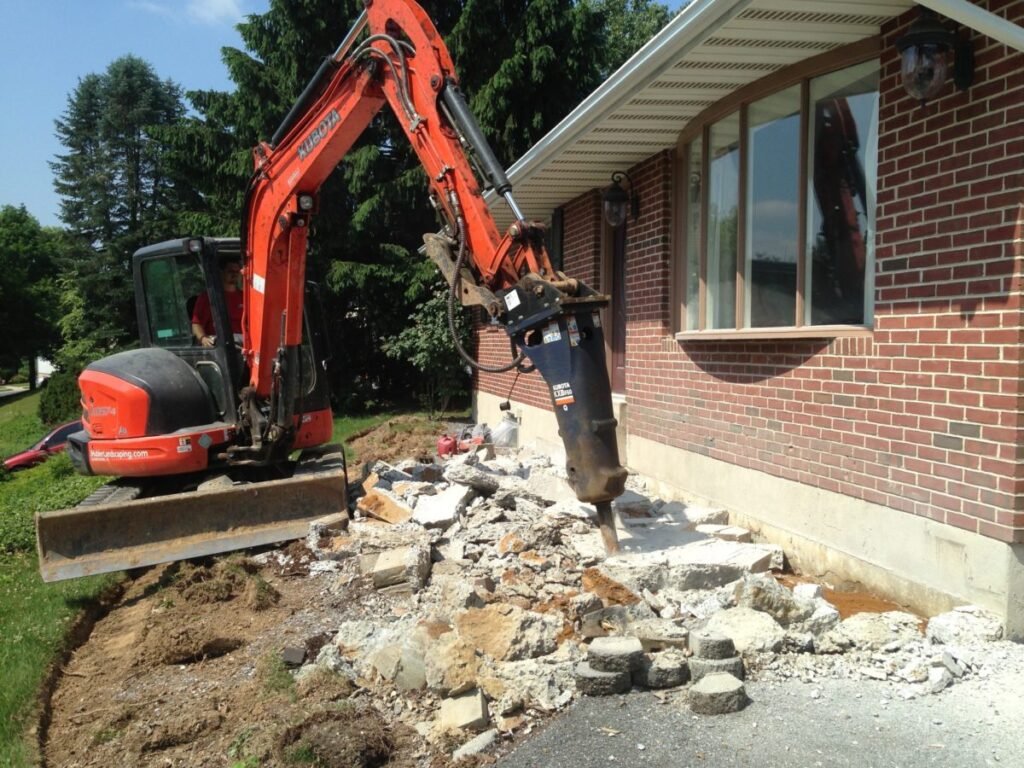
A hydraulic breaker attached to an excavator can break thick slabs and foundations quickly. It is the most common method for large jobs with enough space. It makes noise and vibration, so it needs careful planning near other buildings.
Excavators with Crushers and Shears
Crusher and shear attachments bite through concrete and steel. They are quieter than breakers and are good where noise and vibration must stay low.
Hand-Held Breakers
Workers use electric or air-powered breakers for small areas, tight spaces, and fine work. They give good control but are slow on big jobs.
Concrete Saws
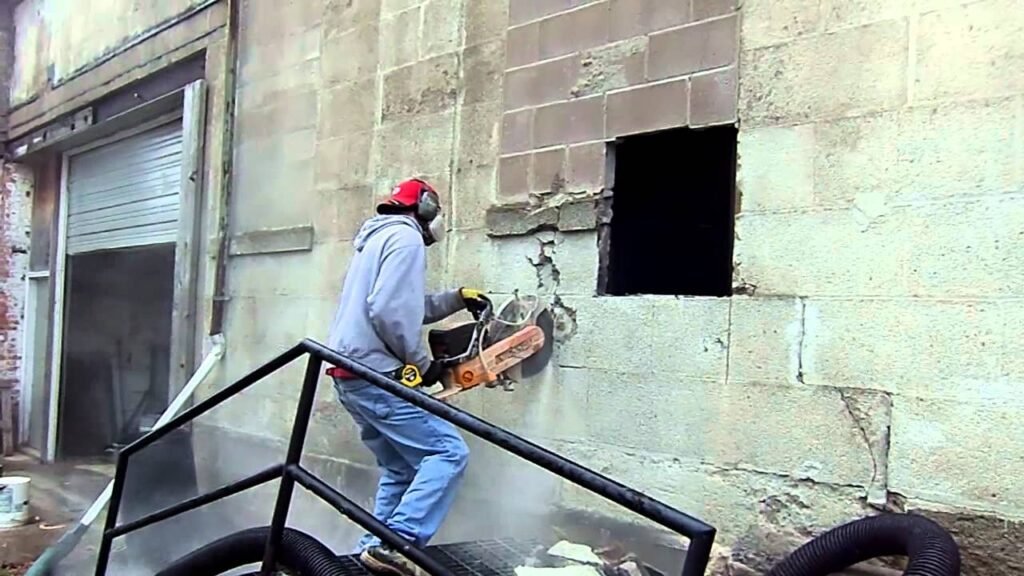
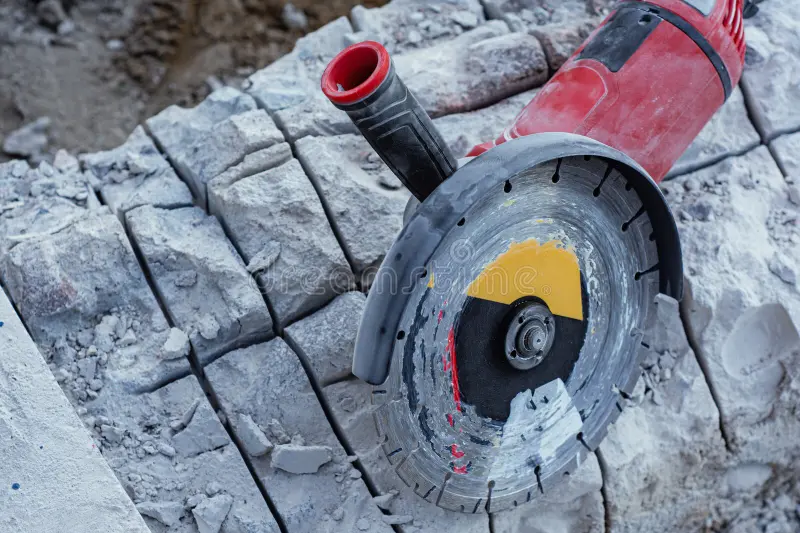
Floor saws and wall saws cut concrete in clean lines using diamond blades. They are used to mark the edges of the work area and to cut large pieces into smaller sections.
Core Drills
Core drills make round holes. They are often used to start cuts, to remove small parts, or to pass pipes and cables.
Wire Saws
For very thick or heavy concrete, a wire saw can cut it into blocks that can be lifted out safely.
Loaders, Trucks, and Crushers
After breaking, loaders and trucks carry the concrete away. Some concrete is crushed and recycled for use in roads and other projects.
Concrete Excavation in Dubai: Permits and Rules
Dubai has clear rules for digging and removal work, and they apply to both small and large jobs. Here is what to expect.
Permission
You usually need approval from the owner, the building or community management, and in many cases the local authority. Papers may include a method statement, safety plan, insurance, and a waste plan. Rules can differ by area and building type, so always check early.
Underground Utilities
Before any digging, the team must find out where pipes and cables run. Water, power, gas, sewage, and communication lines can be under or inside concrete. Cutting one by mistake can be dangerous and costly. A good contractor contacts the utility providers and checks drawings, and scans the ground when needed.
Groundwater and Soil
In some parts of Dubai, groundwater can be close to the surface. Digging deep may need water control. A good team plans for this before starting.
Neighbors and Working Hours
Many communities limit noisy work to certain hours. Dust and vibration may also have limits. Tell your neighbors before work begins.
Waste Rules
Concrete waste must go to approved places and cannot be dumped anywhere. Many materials can be recycled.
A professional company can tell you what papers are usually needed and help you prepare them, so your project does not get stopped halfway.
Safety Rules for Concrete Excavation
Safety is the top priority. A careful team will:
- Make a written safety plan before starting
- Wear helmets, gloves, safety shoes, eye protection, ear protection, and dust masks
- Check for underground pipes and cables before digging or breaking
- Keep machines and trucks away from the edge of deep holes
- Use supports or sloped sides for deep digging so walls of soil do not collapse
- Watch for nearby buildings and walls that could be affected
- Control dust with water spray, covers, and vacuums
- Keep people out of the work zone with barriers and signs
- Use only trained operators for excavators, saws, and breakers
- Keep walkways and roads clean and clear
- Remove broken concrete often so the site stays safe
Never let untrained people enter an area where machines are breaking or digging. The risks of flying pieces, falling concrete, and collapsing soil are real.
What Affects the Cost of Concrete Excavation?
Every job is different, so there is no single price. These are the main things that change the cost:
- Volume of concrete: More area and thickness mean more time and machines.
- Steel inside: More steel bars slow down the work.
- Depth of digging: Deeper work needs more equipment and safety steps.
- Access: Narrow gates, tight spaces, or no room for machines add effort.
- Method needed: Quiet and low-vibration methods may cost more than simple breaking.
- Nearby buildings: Close neighbors may need extra protection and slower work.
- Utilities: Finding and protecting pipes and cables adds time.
- Waste amount and distance: Loading, hauling, and dumping add to the total.
- Working hours: Night work or limited hours need extra planning.
- Permits and extra work: Approvals, backfilling, and leveling may be separate.
To get a fair price, ask for a site visit and a written quote. Be careful with very low offers. Poor work can lead to damage, delays, and extra bills later.
Concrete Excavation Near Me: How to Choose the Right Team
When you search for concrete excavation near me, you will see many results. Use this checklist to choose well:
- Local experience: Pick a team that works in Dubai and knows local rules.
- Right equipment: Excavators, breakers, saws, and core drills show a proper setup.
- Trained operators: Skilled people make fewer mistakes.
- Utility checks: Ask how they find pipes and cables before digging.
- Safety plan: They should explain how they control risk, dust, and noise.
- Clear quote: It should list the work, the method, and what is included.
- Waste plan: They should explain where the concrete goes and what is recycled.
- Help with permits: A good company guides you through the papers.
- Site visit: A good company checks your site before giving a final price.
- Plain talk: They should explain things in simple words.
Why Choose FK Technical Service?
At FK Technical Service, we focus on safe, neat, and on-time work for homes, offices, shops, and industrial sites across Dubai. We plan every step, use the right cutting and breaking method for each job, protect nearby areas, and keep dust and noise low. When the job is done, we clean the site and hand it over ready for your next step.
Visit fktechnicalservicesdubai.com to tell us about your project and ask for a clear quote.
Frequently Asked Questions (FAQs)
What does concrete excavation mean?
It means breaking, cutting, and removing hard concrete, and often digging the soil around or under it. It is used to remove old slabs, foundations, paving, tanks, and other concrete parts.
How long does concrete excavation take?
It depends on the amount of concrete, its thickness, the steel inside, the depth of digging, and the access. A small slab may take a day or two. A large foundation or full site can take weeks. A site visit gives the best estimate.
Is it noisy and dusty?
Some noise and dust are normal. But saws, crushers, water spray, and covers help lower both. A good team also plans working hours with your neighbors in mind.
Can I use a normal digger for concrete?
No. A normal digger bucket cannot break thick concrete. You need breakers, crushers, saws, or other tools made for the job, plus trained operators.
What happens to the broken concrete?
The team collects it, sorts out the steel, and takes it to approved places. Concrete is often crushed and recycled.
Do I need permission before digging out concrete in Dubai?
In most cases, yes. You usually need approval from the owner or management, and sometimes from the local authority. You also need to check for underground utilities. Always ask before you start.
Can concrete be removed without damaging nearby areas?
Yes, if the job is planned well. Saw cutting along the edges, low-vibration tools, and careful sequencing protect what stays. A good team also checks for pipes, cables, and nearby foundations first.
Can I do it myself?
For very small jobs, some people try. But for slabs, foundations, or anything near pipes, cables, or neighbors, we do not suggest it. The risks of injury, damage, and fines are high.
Final Thoughts
Digging out concrete is hard, heavy work that needs more than a big machine. It needs a plan, trained people, utility checks, safe methods, and the right permits. Ask about safety, get a written quote after a site visit, and choose a team you trust. If you need help with removal or digging in Dubai, contact FK Technical Service and let our team handle the heavy work.