If you have ever wondered how a plumber gets a pipe through a concrete floor, or how an electrician runs cables through a concrete wall, the answer is usually core drilling. It is one of those construction jobs that happens all the time but most people never really see or understand. In this post, we will break down exactly how core drilling works, step by step, in simple terms.
How Does Core Drilling Work
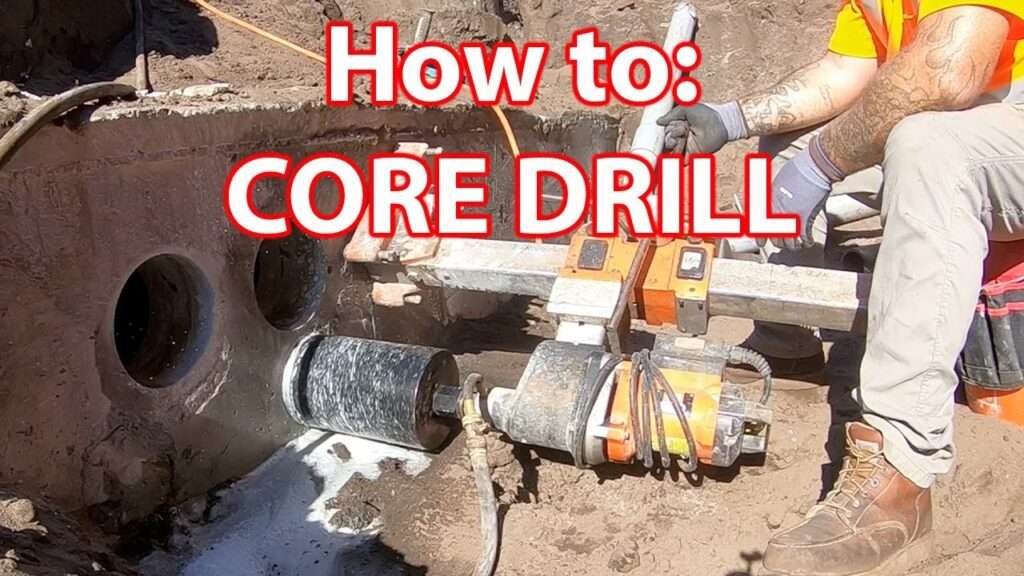
Core drilling is a way of cutting a round hole through concrete, brick, or stone using a special tool called a core drill. Unlike a regular drill, which just pushes a solid bit into a material, a core drill uses a hollow, tube-shaped bit with diamond edges. As it spins, the diamond edges grind away the concrete, and the hollow center lets a solid cylinder of material, called the core, come out in one piece.
This method is used any time someone needs a clean, round opening through concrete — for pipes, cables, ducts, or bolts.
Why Not Just Use a Regular Drill?
Concrete is hard, dense, and often has steel bars called rebar inside it for extra strength. A regular drill bit would wear out fast, and it would struggle badly if it hit rebar. Diamond core bits are built specifically to cut through both concrete and rebar without breaking down.
Regular drilling also cannot create a large, clean hole. How Does Core Drilling Work can make holes ranging from a few millimeters wide to several hundred millimeters wide, depending on the job.
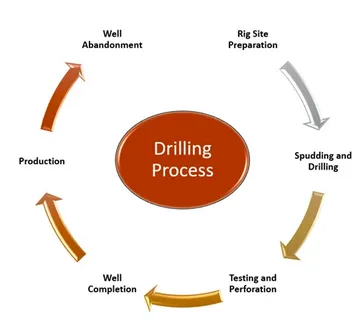
Step-by-Step: How Does Core Drilling Work
Step 1: Site Inspection
Before drilling starts, the crew checks the wall or floor. They look at how thick it is, what material it is made of, and exactly where the hole needs to go.
Step 2: Scanning the Area
This step should never be skipped. Before drilling, the area is scanned using a tool called GPR (ground-penetrating radar). This helps find hidden things like electrical wires, water pipes, or steel rebar underneath the surface. Core Drilling into a live wire or pipe by accident can be dangerous and expensive to fix.
Step 3: Setting Up the Drill
Core drills can be handheld for small jobs, or mounted on a stand for bigger or more precise jobs. The crew sets up the equipment and lines it up exactly where the hole needs to be cut.
Step 4: Choosing the Right Bit Size
Core drill bits come in many sizes. A small hole for an electrical cable needs a much smaller bit than a large hole for an HVAC duct or plumbing pipe. Picking the right size before starting saves time and avoids mistakes.
Step 5: Drilling the Hole
The drill spins the diamond bit against the concrete at a steady speed. Most core drilling is done “wet,” meaning water is fed to the bit while it spins. This keeps the bit cool, helps it cut smoothly, and keeps dust levels low. As the bit cuts deeper, it grinds through the concrete in a full circle.
Step 6: Removing the Core
Once the drill has gone all the way through, there is a solid cylinder of concrete sitting inside the hollow bit. This piece, called the core, is removed carefully. What is left behind is a clean, round hole exactly the size of the bit.
Step 7: Cleanup
After drilling, the crew cleans up the water, dust, and any leftover debris. The site is left ready for whatever comes next, whether that is running a pipe through the hole or fitting a cable.
Wet Drilling vs Dry Drilling
You may hear about two types of core drilling: wet and dry.
Wet drilling uses water to cool the bit and control dust. It is the more common method, especially for larger holes or indoor jobs, because it keeps the area cleaner and extends the life of the bit.
Dry drilling does not use water. It is sometimes used for smaller holes or in situations where water cannot be used, but it creates more dust and can wear out the bit faster.
Most professional crews prefer wet drilling whenever it is possible, especially for indoor or occupied buildings.
Where Is Core Drilling Used?
Core drilling shows up in almost every type of construction and renovation project:
- Running plumbing and drainage pipes through floors and walls
- Installing electrical wiring and cables
- Fitting HVAC ducts and vents
- Adding anchor bolts for machines, railings, or structural supports
- Creating openings for elevator and mechanical systems
It is used in homes, offices, retail spaces, and industrial buildings alike.
Why the Scanning Step Matters So Much
It is worth repeating this point because it is the most important safety step in the whole process. Concrete floors and walls often hide things you cannot see from the outside — electrical wiring, water lines, or steel rebar that holds the structure together.
Skipping the scan and drilling blind can lead to:
- Cutting into a live electrical wire, which is dangerous
- Hitting a water pipe, which can cause flooding and damage
- Cutting through rebar in the wrong place, which can weaken the structure
A proper scan before drilling protects the building, the workers, and anyone inside it.
How Long Does Core Drilling Take?
This depends on a few things:How Does Core Drilling Work, how thick the concrete is, how big the hole needs to be, and whether there is rebar in the way. A small hole through a thin wall might take just a few minutes. A large hole through a thick, heavily reinforced slab can take much longer. Scanning and setup time also add to the overall job length.
Final Thoughts
Core drilling might look simple from the outside, but there is a real process behind it. It starts with checking the site and scanning for hidden hazards, then moves through careful setup, drilling, and cleanup. Each step matters for getting a clean, safe hole that does exactly what it is supposed to do.
If you are planning a project that needs pipes, cables, or ducts run through concrete, understanding how core drilling works can help you know what to expect and why a careful, well-trained crew makes all the difference.
FAQs: How Does Core Drilling Work
What is core drilling used for?
Core drilling is used to cut clean, round holes through concrete for plumbing pipes, electrical cables, HVAC ducts, and anchor bolts.
Is core drilling loud?
It does create some noise, similar to other power drilling equipment, but wet drilling methods help keep the process smoother and reduce excess vibration.
Does core drilling create a lot of dust?
Not when done correctly. Most professional crews use wet drilling, which feeds water to the bit during cutting. This keeps dust levels low, especially important for indoor jobs.
Can core drilling go through rebar?
Yes. Diamond core bits are designed to cut through concrete and steel rebar. However, the area should always be scanned first so the crew knows exactly where the rebar is and can plan the cut properly.
How long does core drilling take?
It depends on the thickness of the concrete, the size of the hole, and whether rebar is present. Small holes can take just a few minutes, while larger or thicker jobs take longer.
What sizes of holes can be core drilled?
Core drill bits come in a wide range of sizes, from small holes for cables to large holes for ducts, pipes, or structural fittings.
Why is scanning important before core drilling?
Scanning helps find hidden electrical wires, water pipes, and rebar before drilling starts. Skipping this step can lead to accidents, water damage, or structural problems.
Is wet drilling better than dry drilling?
How Does Core Drilling Work, For most jobs, yes. Wet drilling keeps the bit cooler, reduces dust, and creates a cleaner cut. Dry drilling is sometimes used for smaller jobs but tends to create more dust and wear on the bit faster.