
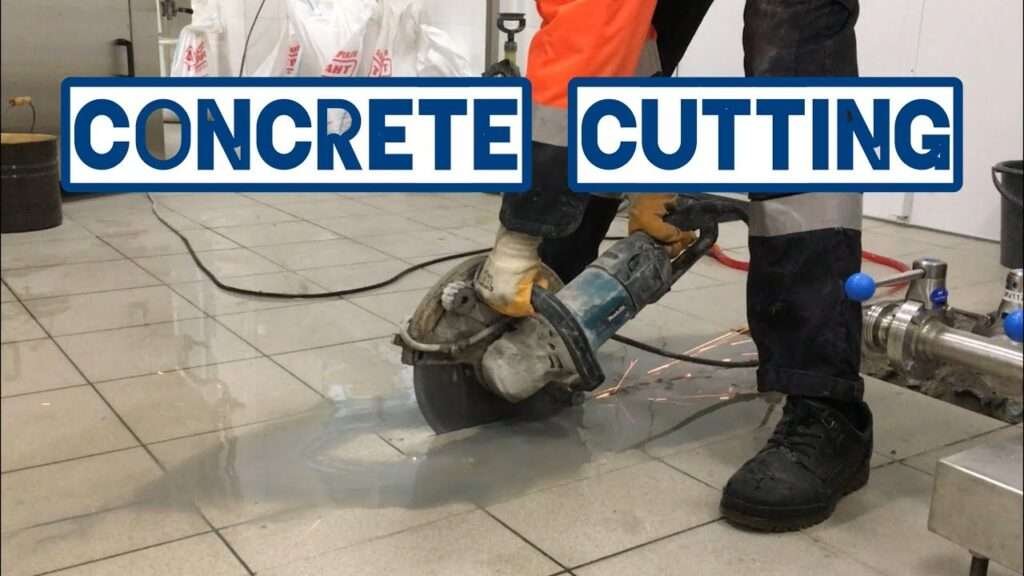
If you have ever watched a construction crew slice through a thick concrete wall or floor as if it were butter, you have probably wondered how that is even possible. Concrete is one of the toughest building materials out there, yet contractors cut it every day with clean, precise lines. The secret is a method called diamond concrete cutting.
In this article, we will explain exactly how is diamond concrete cutting done, what equipment is used, and why it has become the standard method for construction and renovation projects across Dubai. We will keep things simple, so even if you have never worked in construction, you will understand the full process by the end.
What Is Diamond Concrete Cutting?
Diamond concrete cutting is a method of cutting through concrete, stone, brick, and other hard materials using tools fitted with diamond segments. These are not the sparkly diamonds you see in jewelry. They are industrial-grade synthetic diamonds, which are one of the hardest materials on earth. Because diamonds are so hard, they can grind through concrete without wearing down quickly, giving smooth, accurate cuts.
How Is Diamond Concrete Cutting Done this method is used almost everywhere in modern construction, from cutting doorways and windows to removing old concrete during renovations, to preparing slabs for new plumbing or electrical work.
How Does Diamond Cutting Actually Work?
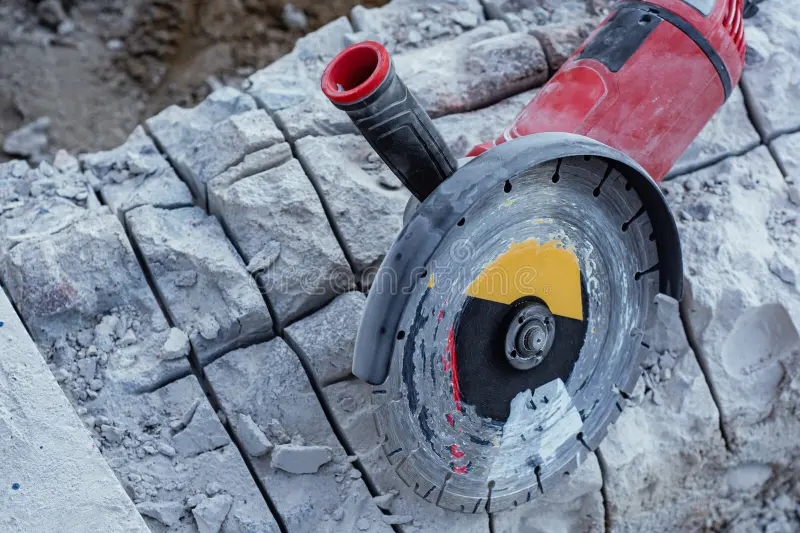
The idea behind diamond concrete cutting is fairly simple once you break it down. A blade or drill bit is coated with small diamond particles bonded to its edge. When the tool spins at high speed, those diamond particles act like thousands of tiny cutting edges, grinding away at the concrete bit by bit.
Unlike a knife that slices through material, diamond tools work more like sandpaper on a very powerful level. As the blade spins, it wears down the concrete’s surface layer by layer until it cuts all the way through. This is why diamond blades can cut through such a tough material without cracking or shattering it.
The Diamond Concrete Cutting Process, Step by Step
Here is what actually happens when a professional team performs diamond concrete cutting on a job site.
Step 1: Site Inspection and Planning
Before any cutting begins, the team studies the area that needs to be cut. This includes checking the thickness of the concrete, looking for any hidden pipes, electrical wiring, or steel reinforcement bars (rebar) inside the slab or wall.
In Dubai, many buildings use concrete scanning tools like GPR (ground penetrating radar) to detect what is hidden inside the concrete before cutting starts. This step is important because cutting through a live electrical wire or a water pipe by accident can cause serious damage and safety risks.
Step 2: Choosing the Right Equipment
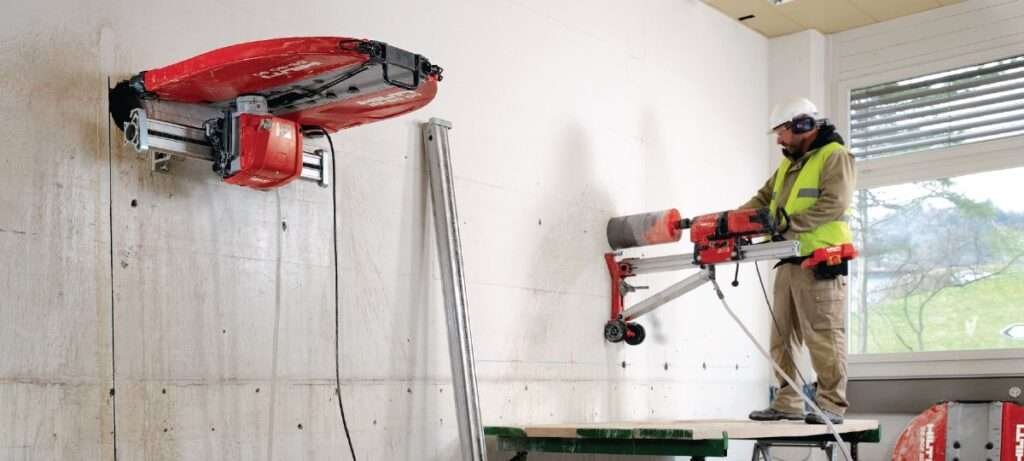
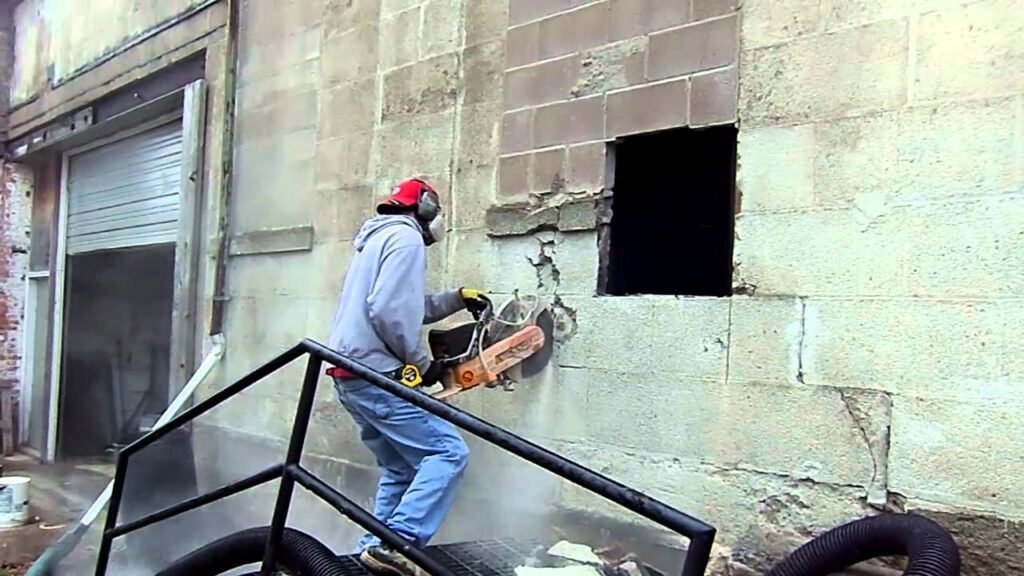
Once the plan is set, the team selects the right diamond cutting tool for the job. Different tools are used depending on the type of cut needed. A hand-held diamond saw might be used for small or quick cuts. A wall saw mounted on a track is used for long straight wall cuts.
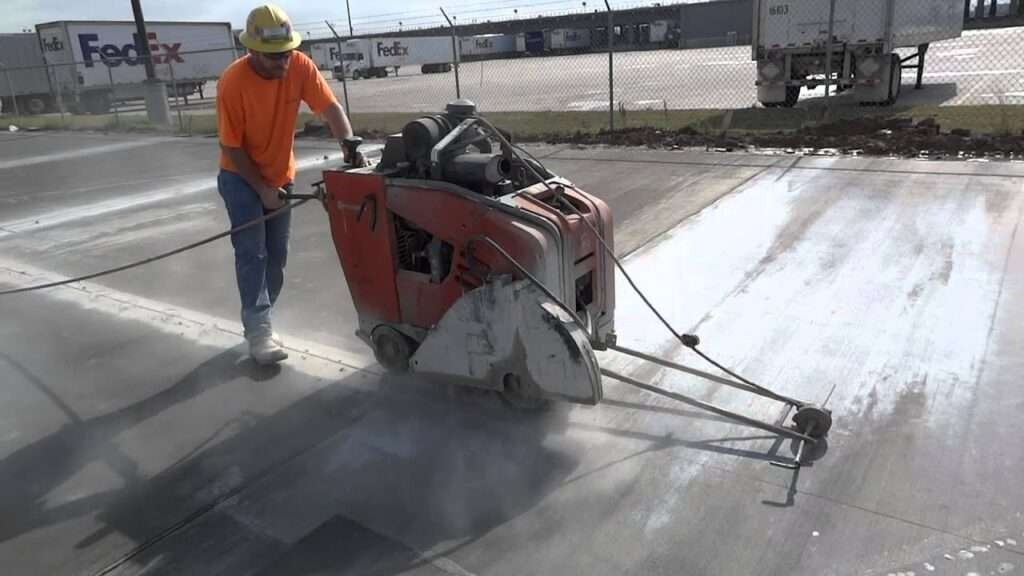
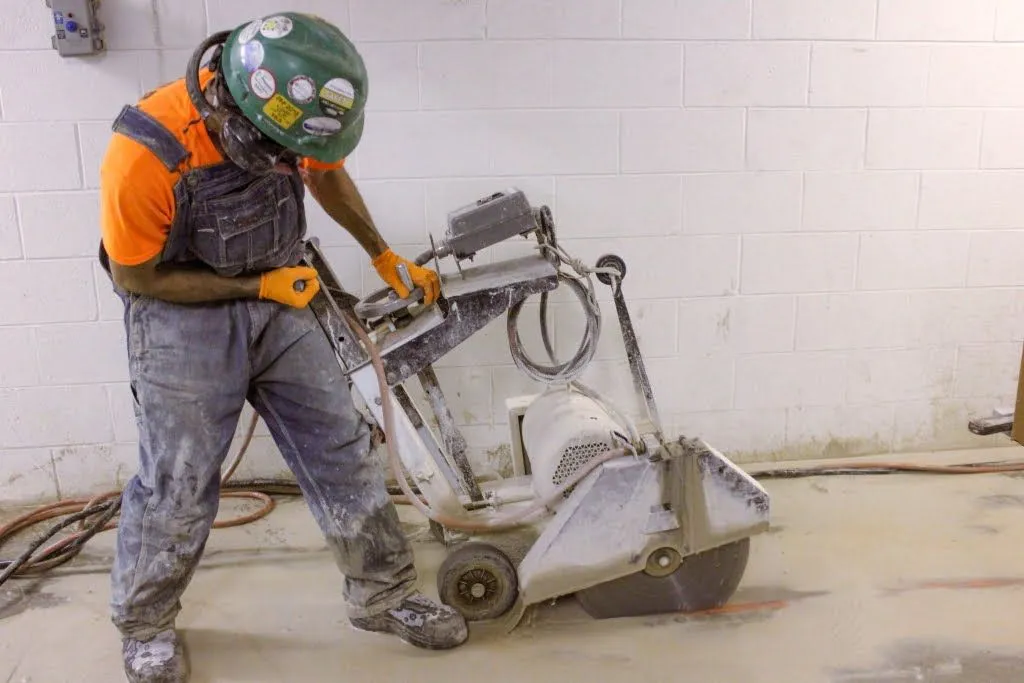
A floor saw is used for cutting concrete floors and pavements. A core drill is used when the goal is to create round holes instead of straight lines. A wire saw is used for extremely thick or reinforced concrete, especially in demolition projects.
Step 3: Marking the Cutting Line
The team marks exactly where the cut needs to be made, using chalk lines or laser guides for accuracy. This step makes sure the final cut lines up perfectly with the project plan, whether it is a new doorway, a pipe opening, or a section being removed.
Step 4: Setting Up Water Cooling
Most diamond cutting tools use water during the cutting process. This might seem surprising, but the water plays two very important roles. First, it cools down the diamond blade, since the friction from cutting through concrete creates a lot of heat. Without cooling, the blade would wear out quickly or even get damaged.
Second, water controls the dust. Cutting dry concrete creates huge amounts of dust, which is unhealthy to breathe in and messy for the work site. Using water keeps the dust down and creates a safer environment for workers and anyone nearby.
Step 5: Making the Cut
With everything set up, the operator starts the diamond blade or drill and slowly guides it along the marked line or into the marked spot. The blade spins at high speed, grinding through the concrete little by little. For wall sawing, the blade moves along a track to keep the line perfectly straight.
For core drilling, the drill bit rotates and slowly bores into the concrete to create a clean round hole. The process is slow and steady, not rushed, because pushing too fast can damage the blade or crack the surrounding concrete.
Step 6: Removing the Cut Section
Once the cut is complete, the section of concrete is carefully removed. Depending on the size, this might be lifted out by hand, with lifting equipment, or broken into smaller pieces first. For core drilling, the round core is simply pulled out of the hole.
Step 7: Clean Up and Finishing
After cutting, the team cleans up any leftover dust, water, and debris. The edges of the cut are usually smooth, thanks to the diamond blade, so very little extra finishing work is needed compared to older cutting methods like jackhammering.
Diamond Cutting Equipment for Concrete
To understand the process fully, it helps to know the main types of equipment used in diamond concrete cutting. Diamond blades are the most common tool, used in hand saws, wall saws, and floor saws. They come in different sizes depending on the thickness of the concrete being cut. Core drills use a hollow, diamond-tipped cylinder to bore round holes through concrete, commonly used for pipes, cables, and vents.
Wall saws are mounted on a track system and used for long, straight, and very precise wall cuts. Floor saws are similar to wall saws but designed for cutting horizontal surfaces like floors, pavements, and roads. Wire saws use a diamond-coated wire loop, useful for cutting extremely thick concrete or unusual shapes that a blade cannot easily reach. Each of these tools plays a different role, and a good concrete cutting company in Dubai will choose the right one based on the specific job.
Wet Cutting vs Dry Cutting
You might come across the terms wet cutting and dry cutting when learning about diamond concrete cutting. Wet cutting uses water to cool the blade and control dust, and it is the preferred method for most large or indoor jobs. It produces cleaner cuts, keeps the blade lasting longer, and creates a safer, less dusty work environment.
Dry cutting does not use water and is usually reserved for smaller, quick jobs or areas where water cannot be used, such as certain indoor spaces without proper drainage. Dry cutting tends to wear down blades faster and creates more dust, so it is used less often for big projects.
Why Diamond Concrete Cutting Is So Popular in Dubai
Dubai is home to constant construction, from high-rise towers to villa renovations to shopping mall fit-outs. Diamond concrete cutting has become the standard method here for a few clear reasons.
It is precise, which matters a lot in modern buildings where structural safety is a top priority. It is faster than older methods like jackhammering, saving time on busy construction schedules. It is quieter and creates less vibration, which is important in areas close to occupied buildings or businesses. It reduces damage to surrounding concrete, keeping structures strong and safe. It works well with concrete scanning, allowing safe cutting even in areas with hidden rebar, cables, or pipes.
Because of these benefits, most professional renovation and construction projects across Dubai rely on diamond cutting rather than older, rougher methods of How Is Diamond Concrete Cutting Done.
Final Thoughts about How Is Diamond Concrete Cutting Done
How Is Diamond Concrete Cutting Done might look complicated, but the process is really about using extremely hard diamond tools, careful planning, and water cooling to cut through concrete cleanly and safely.
Whether it is core drilling for pipes and cables or wall sawing for new doorways, the same basic principles apply: plan the cut, choose the right tool, cool the blade, cut slowly and steadily, then clean up.
If you are planning a construction or renovation project in Dubai, working with an experienced diamond cutting team means the job gets done safely, quickly, and with minimal damage to your property.
FAQs about How Is Diamond Concrete Cutting Done
1. What is diamond concrete cutting used for?
It is used for cutting doorways, windows, pipe openings, and sections of concrete during construction, renovation, or demolition projects.
2. Why are diamonds used instead of regular blades?
Diamonds are one of the hardest materials on earth, allowing the blade to grind through tough concrete without wearing down quickly.
3. Is water always needed for diamond concrete cutting?
Water is used in most jobs to cool the blade and control dust, though dry cutting is sometimes used for small or quick cuts.
4. Does diamond cutting damage the surrounding concrete?
No, when done correctly, diamond cutting creates clean, precise cuts with very little impact on the surrounding structure.
5. How long does diamond concrete cutting take?
This depends on the thickness of the concrete and the size of the cut, but diamond cutting is generally much faster than older methods like jackhammering.
6. Is diamond concrete cutting safe for buildings with hidden pipes or wires?
Yes, as long as the area is scanned beforehand using tools like ground penetrating radar to detect hidden pipes, cables, or rebar before cutting begins.
7. Can diamond cutting be used on both walls and floors?
Yes, different tools like wall saws and floor saws are designed specifically for vertical wall cuts and horizontal floor cuts.
Pingback: Concrete Cutting Services in Al Quoz | Dubai Experts