Floor removal is the careful taking out of old tiles, wood, vinyl, carpet, or screed so you can fit a new floor or repair what is underneath. This guide explains the types of floors we remove, the tools and methods used, how to stay safe, what changes the price, and how to choose a trusted team in Dubai. You will also find answers to common questions at the end.
Maybe your tiles are cracked, your wooden floor is lifting, or you want a fresh look before a big renovation. In each case, good floor removal saves time, protects your building, and gives your new floor a strong start. At FK Technical Service, we help homeowners, shop owners, and contractors across Dubai with this work. Read on to avoid the most common mistakes.
What Is Floor Removal?
Every floor has layers. On top is the finish, like tile, wood, vinyl, or carpet. Under it may be glue, mortar, or a layer of screed. Below that is the concrete slab, which is the main structure of the building.
The work means taking away some or all of these top layers in a planned way. The goal is to remove what you do not need, protect what you want to keep, and leave a clean, flat base for the next step.
It sounds simple, but it is not just pulling things up. Old glue can be very strong. Pipes or cables may be close to the surface. And in a flat or tower, noise and dust can bother your neighbors. A good plan makes the whole job smoother.
Floor Removal Services in Dubai
Dubai has many villas, apartments, offices, shops, and hotels, and they are renovated all the time. That is why so many people look for professional help when they want to change a floor.
A complete service usually includes:
- A site visit to check the floor type and condition
- A clear plan and a written quote
- Covering doors, walls, and furniture to protect them
- Removing the old floor with the right tools
- Controlling dust and noise
- Taking away all waste and debris
- Leaving the base clean, level, and ready for the new floor
When a trained team does the job, you lower the risk of damage to pipes, walls, or the slab. You also get honest advice about the best way to start your renovation.
Flooring Removal: Types of Floors We Take Out
Not all floors come up the same way. The material decides the tool, the time, and the cost. Here are the most common types in Dubai.
Tile and Marble Floors
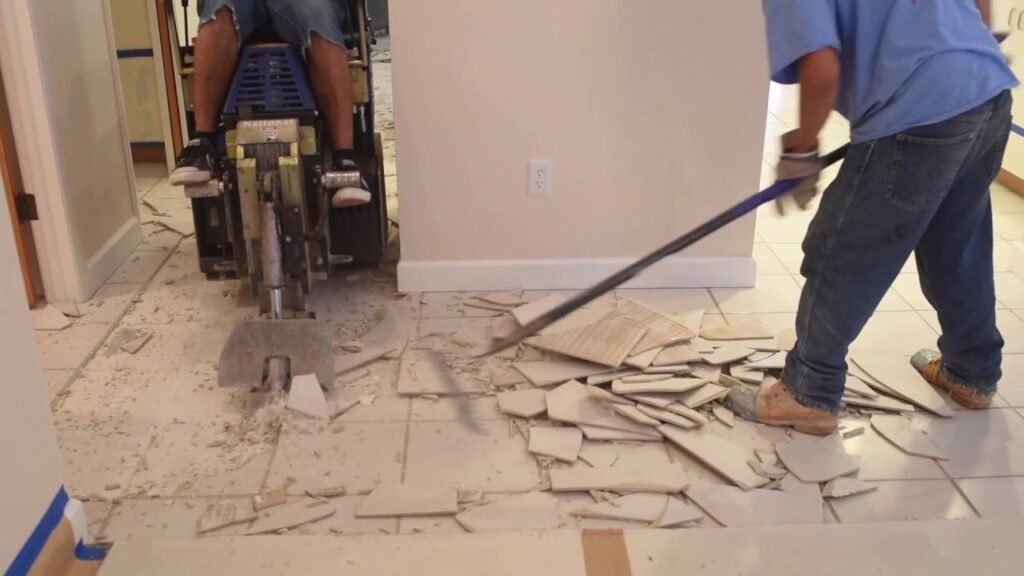
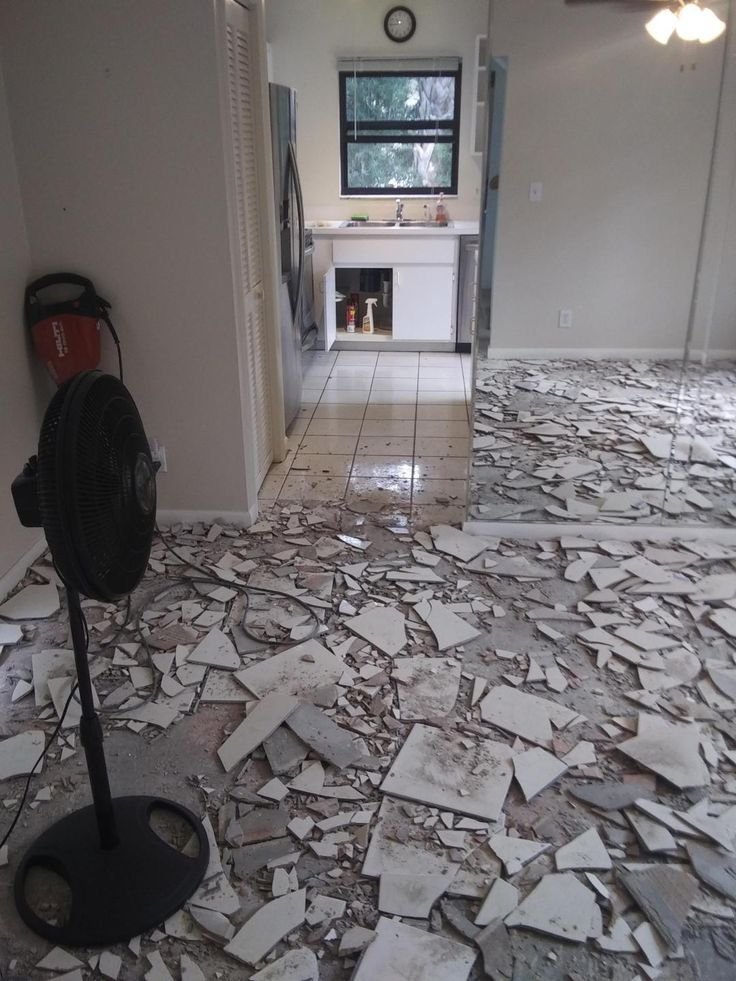
Tiles are stuck to the floor with cement mortar or strong glue. Marble and granite are heavier and often thicker. They can be removed with electric chisels or hammer tools. Workers must be careful because the pieces are sharp and heavy, and the vibration can crack nearby tiles or walls if it is not controlled.
Wooden and Parquet Floors
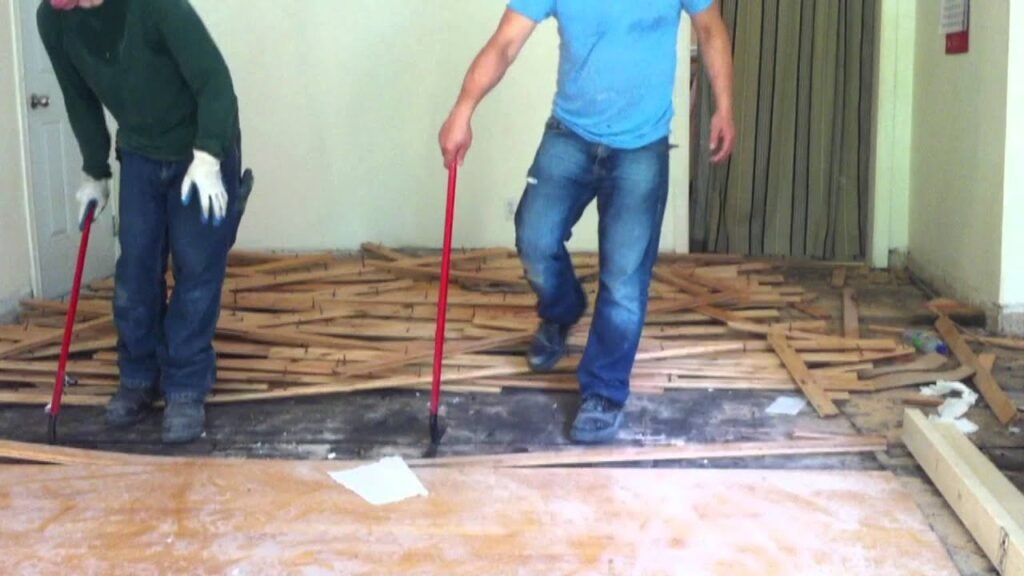
Wood floors may be glued down, nailed, or floated on a soft layer. Parquet is made of small wooden pieces and can be hard to lift. Workers use scrapers, pry bars, and sometimes machines. The aim is to remove the wood without hurting the layer underneath.
Vinyl, Laminate, and Carpet
These are lighter and usually the easiest to remove. The hard part is the glue left behind. It must be scraped or ground off so the new floor will stick well.
Screed and Concrete Topping
Screed is a thin layer of cement that makes the floor flat. Sometimes it is cracked, weak, or uneven and must be taken out. This is harder work. It needs electric breakers or a floor saw to cut it into pieces.
Epoxy and Industrial Floors
Warehouses and car parks often have epoxy or special coatings. These are removed with floor grinders or scarifiers, which scrape the surface off layer by layer.
Floor Demolition: Methods and Tools
The right method depends on how thick, hard, and large the floor is. These are the main ones.
Hand Tools
Scrapers, chisels, hammers, and pry bars are used for small areas and soft floors like vinyl and wood. They give good control but are slow on big jobs.
Electric Chippers and Breakers
These tools break tiles and screed quickly. They are good for large areas, but they make noise and vibration, so they must be used with care in apartments and offices.
Floor Grinders and Scarifiers
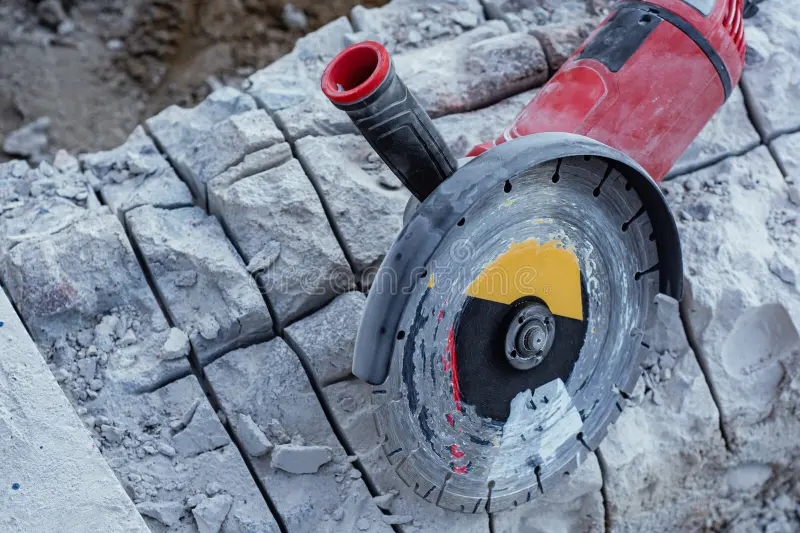
A grinder smooths and cleans the base. A scarifier removes coatings, glue, and thin layers. Both work best with dust collectors so the air stays clean.
Floor Saws
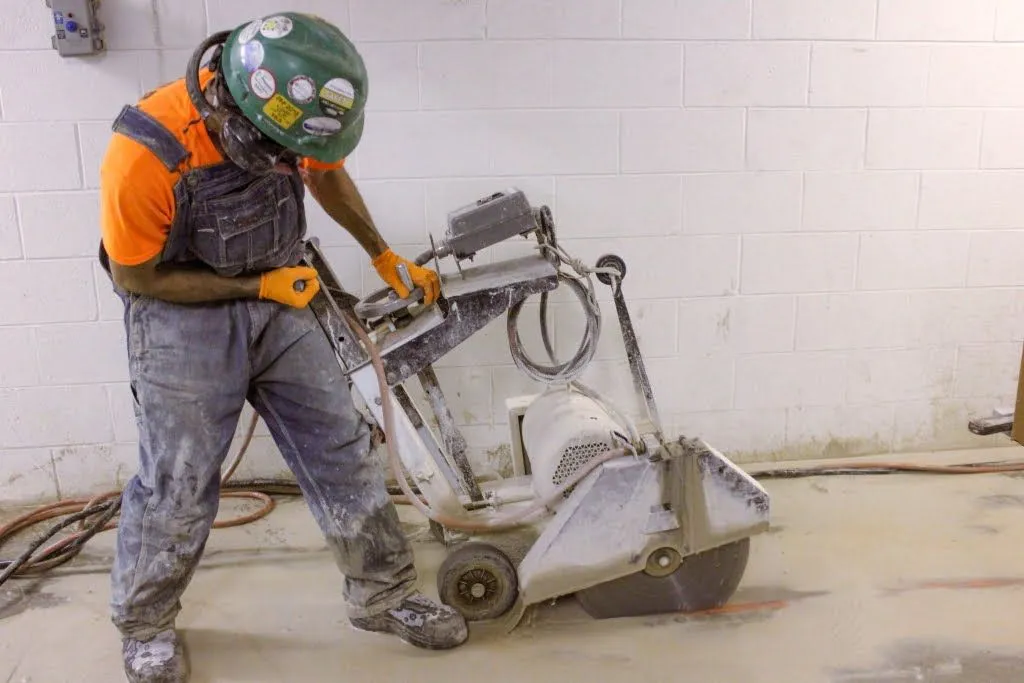
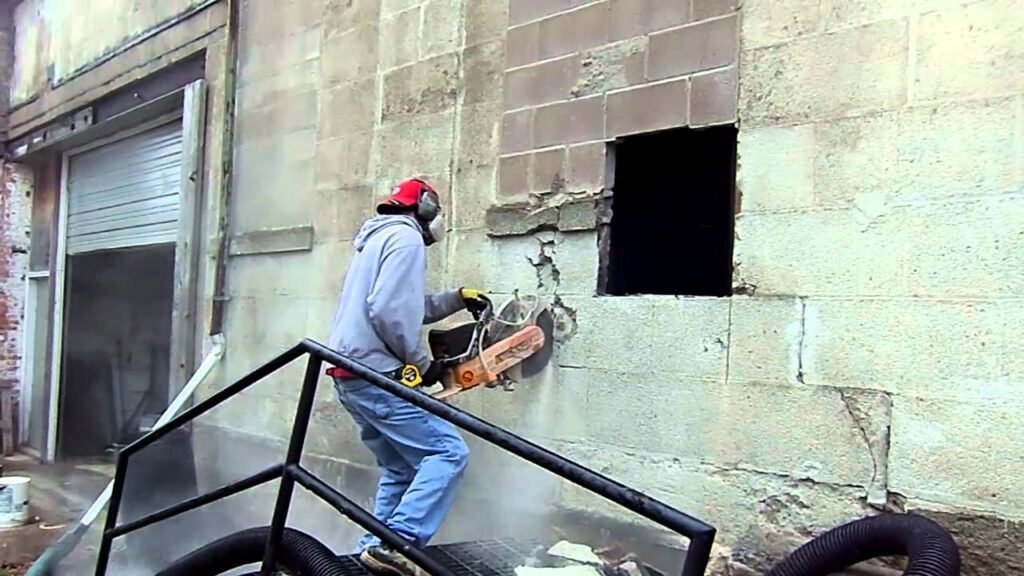
For thick screed or full floor demolition down to the slab, a floor saw cuts the floor into sections first. This makes the pieces easier to lift and keeps the cut neat.
Dust Control Machines
Industrial vacuums and water spray help catch fine dust. This keeps the site safe and cleaner for everyone.
Check Before You Start
Before any work begins, the team should look for what is hidden under or inside the floor.
- Pipes and cables: Water lines, electric cables, and data wires can run close to the surface.
- Underfloor heating or cooling: Some floors have pipes or mats that are easy to damage.
- Waterproofing: Bathrooms, kitchens, and balconies have a waterproof layer. If it is cut or damaged, water can leak into the flat below and cause big problems.
- Floor levels: Removing too much can change the floor height and cause trouble at doors and steps.
- Old materials: In older buildings, some materials may need special care.
A good team checks these points first, marks the safe zones, and uses gentler tools in risky areas.
Safety Rules for Floor Removal
Safety is the first thing to think about on every job. Here is what a careful team does:
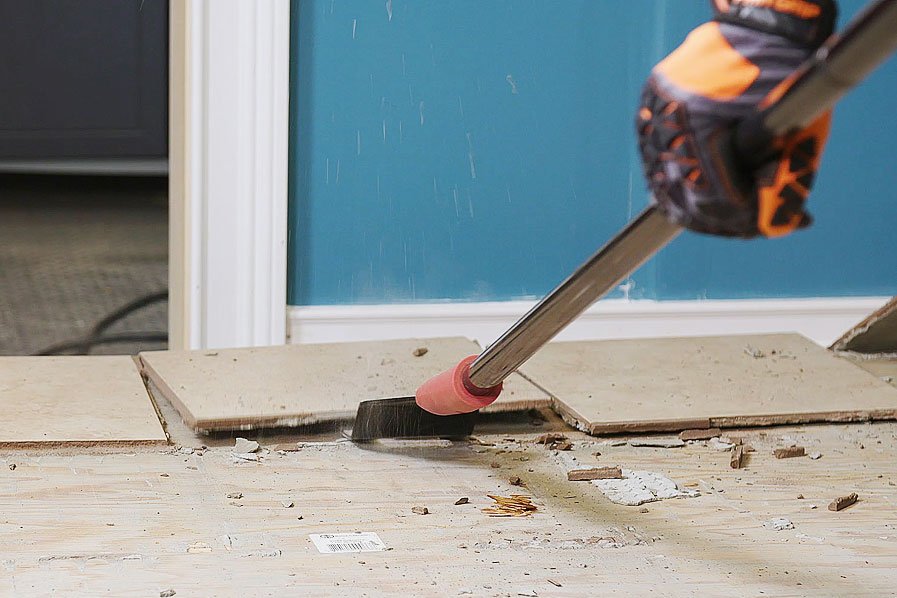
- Wears gloves, safety shoes, eye protection, ear protection, helmets, and dust masks
- Uses dust collectors, water spray, or covers to control dust
- Keeps people away from the work area
- Handles heavy tiles and broken pieces with care
- Removes debris often so no one trips or gets cut
- Uses trained workers for all machines
- Switches off power or water to the area when needed
If you live in a shared building, tell your neighbors before the work starts. Noise and dust can be annoying, and a simple notice helps keep good relations.
Permits and Building Rules in Dubai
Most buildings in Dubai have rules for renovation work. These may cover working hours, noise, lift use, and how waste must be taken out. You may also need written permission from your landlord or building management.
Before you book the job, check with your building office or community manager. Ask if you need a work permit or a no-objection certificate. A professional company can tell you what is needed, so your project does not get stopped halfway.
What Affects the Cost of Floor Removal?
People often ask for one fixed price, but every job is different. These are the main things that change the cost:
- Floor size: More area means more time and work.
- Floor type: Tile, marble, and screed cost more to remove than carpet or vinyl.
- Thickness and strength: Thick mortar and strong glue are harder to break.
- Method needed: Machines that control dust cost more than hand tools, but give cleaner results.
- Location: High floors, tight spaces, or no lift access add effort.
- Working hours: Night work or limited hours may need extra planning.
- Waste removal: Heavy debris must be carried out and dumped properly, which adds to the total.
- Extra work: Leveling, waterproofing repair, or screed work are usually separate jobs.
The best way to get a fair price is to ask for a site visit and a written quote. Be careful with very low offers. Poor work can cost you much more later.
Floor Removal Services Near Me: How to Choose the Right Team
When you search for floor removal services near me, you will see many options. Here is a simple checklist to help you choose:
- Local experience: Pick a company that works in Dubai and knows local building rules.
- Right equipment: Dust-controlled machines mean a cleaner, safer job.
- Skilled team: Trained workers make fewer mistakes.
- Clear quote: It should list the work, the method, and what is included.
- Safety steps: Ask how they control dust, noise, and risk.
- Site visit: A good company checks the floor before giving a final price.
- Fast reply: Quick answers show they take your project seriously.
- Simple talk: They should explain things in plain words.
Why Choose FK Technical Service?
At FK Technical Service, we focus on safe, neat, and on-time work for homes, offices, shops, and building sites in Dubai. We choose the method that suits your floor, not the one that is easiest for us. We protect your property, keep dust low, and clean up when we finish. Whether it is a small bathroom or a large warehouse, we plan every step with care.
Visit fktechnicalservicedubai.com to tell us about your project and ask for a clear quote.
FAQs
How long does floor removal take?
It depends on the size and floor type. A small room with carpet may take a few hours. A large area with tiles and screed can take several days. A site visit gives you the most accurate time.
Can I remove my floor myself?
You can for light jobs, like carpet or simple vinyl. But for tile, marble, or screed, we do not suggest it. You could damage pipes, waterproofing, or the slab, and the dust and sharp pieces can cause injuries.
Do I need permission before starting in Dubai?
In most cases, yes. Your landlord or building management may need to approve the work, and they may have rules about timing and noise. Always check first.
Is the work noisy and dusty?
Some noise and dust are normal. But modern tools with dust collectors reduce both. A good team also covers the area and cleans up properly.
What happens to the old flooring?
The team collects the broken pieces and takes them away. In some cases, good materials like wood planks can be kept if you want to reuse them.
Will removing the floor damage the concrete slab?
It should not, if the job is done with care. The team uses the right tools and works layer by layer, so the slab under the floor stays safe.
Can you remove only part of a floor?
Yes. Many jobs only need one room, a bathroom, or a small damaged area. The team marks the zone and cuts neatly so the rest stays in place.
Final Thoughts
A new floor can change the whole look of your home or business. But a great new floor starts with a clean, safe removal of the old one. Know your floor type, check for hidden pipes and waterproofing, get the right permissions, and ask about dust control. Then choose a team you trust. If you need help in Dubai, contact FK Technical Service and let our team handle the hard part.