Industrial demolition is the planned taking down or clearing of factories, warehouses, plants, and heavy equipment bases using safe methods and strong machines. This guide explains the types of work, the main steps, the tools used, safety and permit rules in Dubai, what changes the price, and how to choose a trusted team. You will also find answers to common questions at the end.
Maybe your factory is moving to a new site. Maybe an old warehouse must be cleared for a new project, or heavy machines must be removed from a plant. These jobs are big, risky, and full of rules. A good plan for industrial demolition keeps people safe, protects the environment, and helps you finish on time. At FK Technical Service, we help business owners, landlords, and contractors across Dubai with heavy removal and cutting work. Read on to learn how it should be done.
What Is Industrial Demolition?
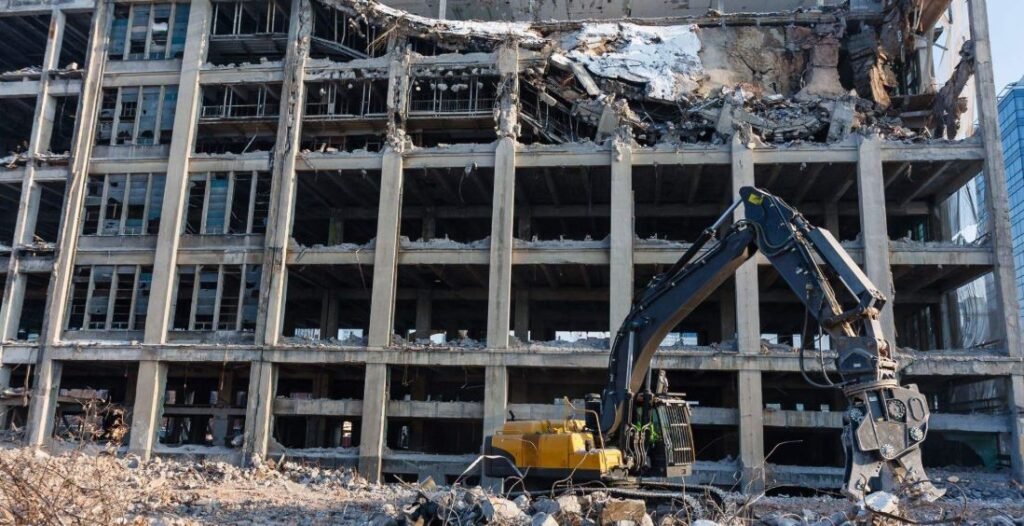
An industrial building is a place used to make, store, or move goods. This includes factories, workshops, warehouses, power and utility plants, labor camps, storage yards, and processing sites.
The work can mean many things. It may be removing a machine base, cutting out a thick floor, taking down a steel shed, or clearing a whole site. Industrial sites are different from homes and shops. They often have:
- Very thick, strong concrete
- Heavy machine foundations
- Large steel frames and roofs
- Pipes, tanks, and conveyors
- Leftover oil, chemicals, or dust
- Large open areas with big trucks and cranes
Because of this, the work needs more planning, bigger tools, and strict safety steps. The goal is to remove what you need, handle risky materials safely, and leave the site clean and ready for its next use.
Industrial Demolition Services in Dubai
Dubai has large industrial areas with factories, warehouses, and workshops. Businesses grow, move, and upgrade all the time. When that happens, old equipment and buildings must be removed. This is why industrial demolition services in Dubai are in steady demand.
A full service often includes:
- A site visit and building survey
- Checks for hazardous materials and leftover chemicals
- Help with permits and approvals
- Shutting off and isolating power, water, gas, and fuel lines
- Taking apart machines, tanks, and pipework
- Cutting steel frames and removing roofs
- Breaking or cutting concrete floors and heavy foundations
- Sorting, loading, and taking away waste
- Cleaning and leveling the site
When one team handles the whole job, you save time and avoid mix-ups between different workers.
Industrial Demolition Contractors: What Do They Do?
Industrial demolition contractors are the companies that plan and carry out this heavy work. They do more than break things down. A good contractor will:
- Study the site, drawings, and past use of the building
- Make a clear work plan, safety plan, and time schedule
- Bring the right machines and trained operators
- Work with engineers, the landlord, and the authorities
- Protect nearby buildings, roads, and workers
- Handle waste and risky materials in the proper way
- Recycle steel and concrete where possible
The right contractor is the key to a safe and smooth project. A weak team may cause accidents, delays, or fines that cost far more than the work itself.
Types of Industrial Work
Not every job is a full demolition. These are the most common types.
Equipment and Machine Removal
Old machines, tanks, conveyors, and pipes are taken apart and removed. Their concrete bases may be cut or broken out too.
Steel Structure Dismantling
Steel sheds, frames, and roofs are cut into sections and lowered by crane or lifting machine. Steel is often sold or recycled.
Heavy Foundation Removal
Machine bases and thick floors can be very strong and full of steel bars. They are cut with wall saws, floor saws, or wire saws, or broken with large hydraulic breakers.
Partial Demolition and Strip-Out
Only some parts of the building are removed, such as an old section, a mezzanine, or a wall. The rest stays in use.
Full Site Clearing
The whole building and its foundations are removed, and the land is leveled for new work.
The Main Steps of an Industrial Project
Every site is different, but most jobs follow these steps.
Step 1: Survey and risk check. The team studies the building, the structure, and what was made or stored there. They look for hazards.
Step 2: Planning and approvals. A work plan, safety plan, and waste plan are made. Permits and approvals are arranged.
Step 3: Isolation and cleaning. Power, water, gas, and fuel lines are shut off safely. Tanks and pipes are emptied and cleaned.
Step 4: Equipment removal. Machines, tanks, and pipework are taken apart and removed.
Step 5: Structure work. Steel frames, roofs, and walls are cut and lowered in a controlled way.
Step 6: Concrete work. Floors, bases, and foundations are cut or broken, using the right tools.
Step 7: Waste sorting and removal. Steel, concrete, and other waste are sorted and taken to approved places.
Step 8: Final cleaning and handover. The site is cleaned, leveled, and checked before handing back.
Tools and Methods Used
Industrial sites need strong tools. Common ones include:
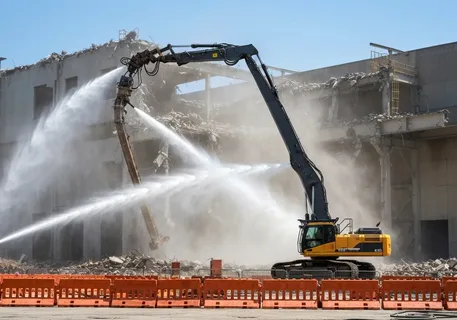
- Excavators with breakers, shears, and crushers: For breaking concrete and cutting steel
- Cranes and lifting machines: For moving heavy steel and equipment
- Wire saws: For very thick foundations and heavy concrete
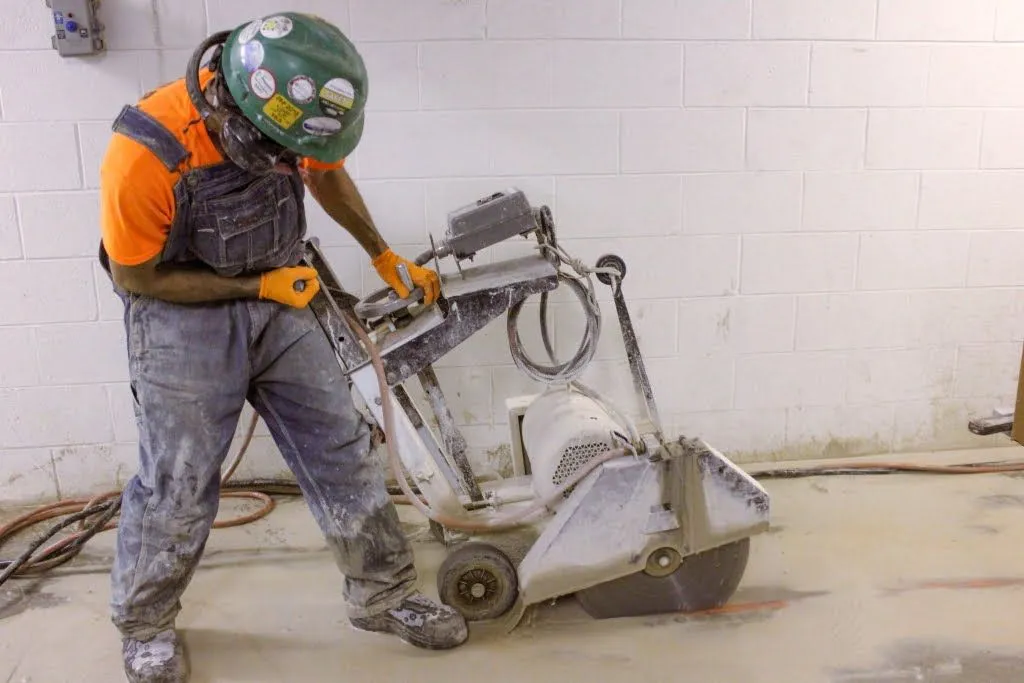
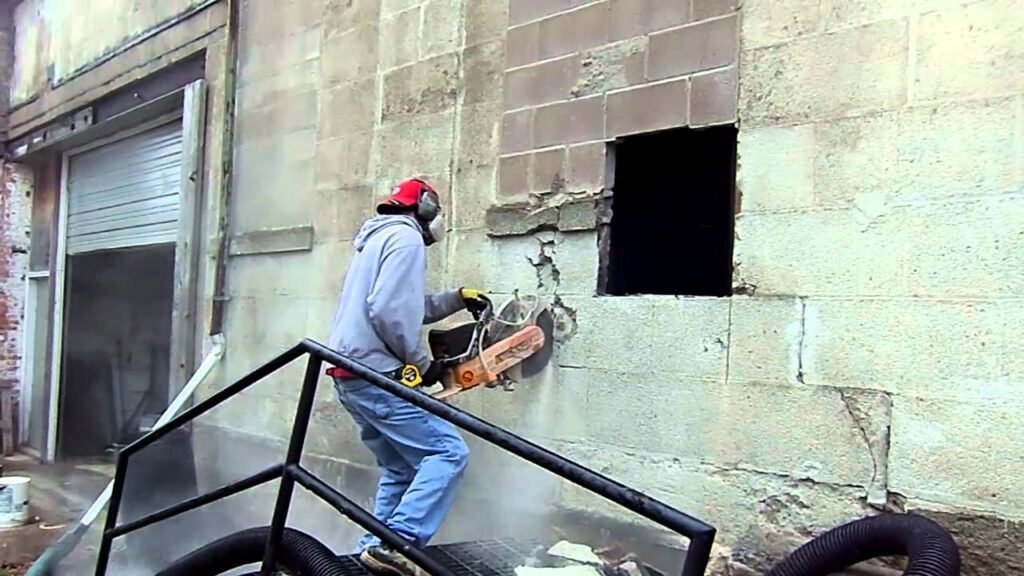
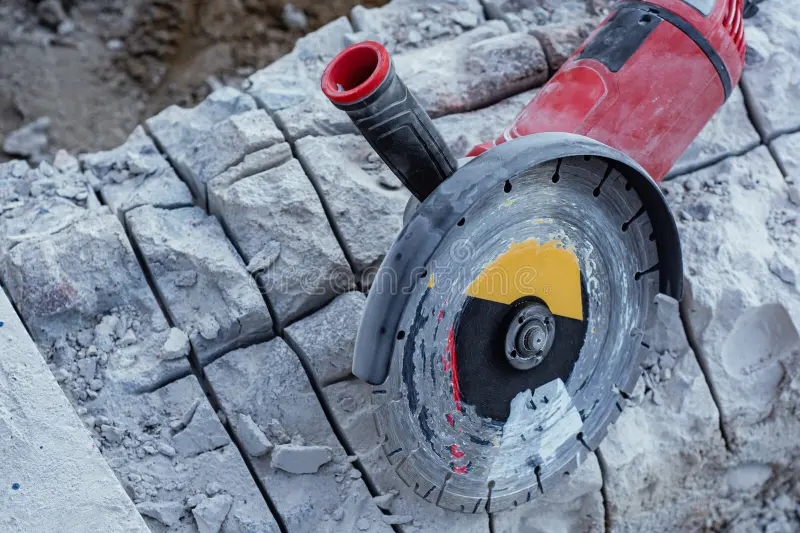
- Wall saws and floor saws: For clean, controlled cuts
- Core drills: For round holes and for starting larger cuts
- Torch and plasma cutting: For steel frames and pipes
- Dust control systems: Water spray, covers, and vacuums to keep dust low
Most jobs use several of these tools together.
Safety Rules for Industrial Demolition
Safety is the top priority because industrial sites carry more risk than other places. A careful team will:
- Make a written safety plan before any work starts
- Wear helmets, gloves, safety shoes, eye protection, ear protection, and dust masks
- Check for hazardous materials, leftover chemicals, and gas before cutting
- Isolate all power, fuel, and water lines first
- Use fire safety tools on site, especially when cutting steel with heat
- Keep people and vehicles away from lifting and cutting zones
- Use only trained and certified operators for cranes and heavy machines
- Control dust and noise to protect workers and neighbors
- Plan safe routes for trucks and keep the site clean
Never let untrained workers enter an industrial site that is being taken apart. The risks are too high.
Permits and Approvals in Dubai
In Dubai, industrial work usually needs approval from the landlord, the zone or free zone management, and often the local authority. You may also need a work permit, safety documents, insurance papers, and a plan for waste removal.
If the site had chemicals, oil, or other risky materials, extra checks may be needed. Waste must be taken to approved places, not just dumped anywhere. Rules can change by area, so ask early. A professional company can tell you which papers are needed and help you prepare them, which prevents stop-work orders and fines.
What Affects the Cost of Industrial Demolition?
Every job is different, so there is no single price. These are the main things that change the cost:
- Size of the site: A large building takes more time and machines.
- Type of structure: Steel sheds, heavy concrete, and tall buildings cost different amounts.
- Machine bases and foundations: Thick, steel-filled concrete takes more effort.
- Hazardous materials: Cleaning and safe disposal add cost and time.
- Equipment needed: Cranes, large breakers, and wire saws cost more than hand tools.
- Access and location: Tight sites, busy roads, and nearby buildings add planning.
- Waste amount: More debris means more loading, hauling, and dumping.
- Salvage value: Steel and metal can sometimes reduce the total cost.
- Permits and extra work: Approvals, engineer plans, and site repairs may be separate.
To get a fair price, ask for a site visit and a written quote. Be careful with very low offers. Skipping safety steps to save money can lead to accidents and fines.
How to Choose Among Industrial Demolition Companies
When you search for industrial demolition companies, you will see many choices. Use this checklist to pick the right one:
- Industrial experience: Ask about past factory, warehouse, or plant jobs.
- Right equipment: Heavy machines and cutting tools show a serious setup.
- Trained team: Skilled operators and safety staff make a big difference.
- Safety plan: Ask how they handle hazards, fire risk, and site control.
- Clear quote: It should list the work, the method, and what is included.
- Waste plan: They should explain where the waste goes and how steel is recycled.
- Help with permits: A good company guides you through the papers.
- Local knowledge: They should know Dubai rules and industrial areas well.
Why Choose FK Technical Service?
At FK Technical Service, we focus on safe, neat, and on-time work for homes, offices, shops, and industrial sites across Dubai. We plan every step, use the right cutting and removal method for each job, protect nearby areas, and keep dust and noise low. When we finish, we clean the site and hand it back ready for your next step.
Visit fktechnicalservicedubai.com to tell us about your project and ask for a clear quote.
Frequently Asked Questions
How long does industrial demolition take?
It depends on the size and type of the site. Removing a machine base may take a few days. Clearing a large warehouse can take weeks. A full factory site can take months. A site visit gives the best estimate.
Do I need permission before starting in Dubai?
Yes, in most cases. You usually need approval from the landlord or zone management, and sometimes from the local authority. Always check first.
What about leftover chemicals or oil on site?
These must be checked and handled before any cutting starts. They need safe cleaning and proper disposal. Never ignore them, as they can cause fires, injuries, or fines.
Can steel and concrete be recycled?
Yes. Steel can often be sold or reused, and concrete can be crushed and used again. This also helps lower waste and sometimes cost.
Can part of the building stay in use during the work?
Often, yes. With good planning, barriers, and dust control, one section can be removed while another stays open. A site visit will show if this is possible.
Is the work noisy and dusty?
Some noise and dust are normal. But water spray, dust collectors, and modern cutting tools reduce both. A good team also covers the work area and cleans up properly.
Do I need an engineer for the job?
For large buildings, heavy structures, or parts that hold up other parts, yes. An engineer helps plan a safe order of work, so nothing falls or fails by surprise.
Final Thoughts
Clearing an industrial site is a big job, but it does not need to be a stressful one. With a clear plan, trained people, the right tools, and the correct permits, the work can be safe, clean, and on schedule. Check for hazards, ask about safety, get a written quote, and choose a team you trust. If you need help in Dubai, contact FK Technical Service and let our team handle the heavy work.