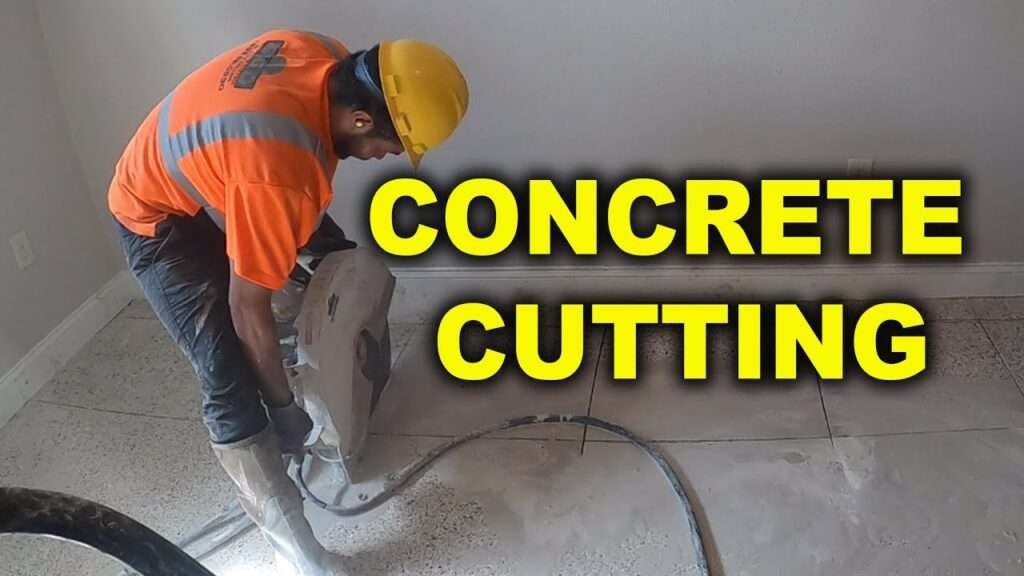
Is it safe to cut concrete indoors? Yes, it can be safe, but only when the job is planned well and done with the right tools and the right team. In this article, you will learn the main risks of concrete cutting indoors, such as dust, noise, and hidden pipes, and the safe concrete cutting methods that reduce them. We also explain how dust-free concrete cutting works, what to check before work starts, and how to pick a trusted company for indoor concrete cutting Dubai projects.
Many people in Dubai ask this question before they renovate a villa, fix an office, or add a new opening in an apartment. It is a smart question. Concrete dust can harm your lungs, and a wrong cut can damage pipes, cables, or steel bars. The good news is that modern tools and clear safety steps make indoor work much safer than it used to be.
Let us answer the big question, is it safe to cut concrete indoors, in simple words and step by step.
Is It Safe to Cut Concrete Indoors? The Short Answer
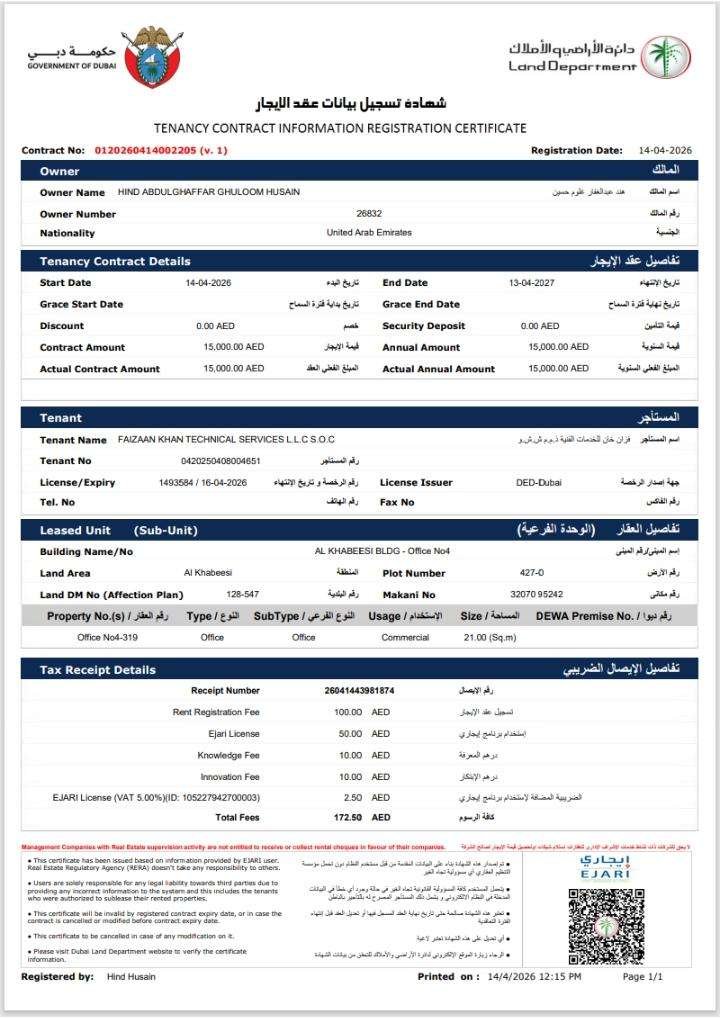
The short answer is yes, but not with just any tool and not by just anyone. Cutting concrete inside a building is very different from cutting it outside. Indoors, dust has nowhere to go, noise bounces off the walls, and there may be people, furniture, and machines close by.
Safety depends on three things: the method, the machines, and the skill of the team. When all three are right, indoor cutting is a normal and safe part of many building jobs. When they are wrong, it can cause health problems, damage, and extra repair costs.
The Main Risks of Concrete Cutting Indoors
This is why so many owners wonder, is it safe to cut concrete indoors? Here are the real risks, so you know what a good team must control.
- Silica dust: Concrete contains a mineral called silica. When you cut it, very tiny dust particles float in the air. If people breathe this dust again and again over time, it can hurt the lungs. Indoors, the dust spreads fast and settles on everything.
- Loud noise: Cutting and drilling can be very loud inside a closed space. Long noise can hurt ears and upset people nearby.
- Hidden pipes and wires: Water pipes, electric cables, and steel bars may be inside the concrete. Cutting into them can cause leaks, power cuts, or serious injury.
- Fumes from engines: Petrol machines give off gas that is dangerous in closed rooms. Indoor jobs need electric or hydraulic machines instead.
- Falling concrete pieces: A cut piece of wall or slab can be very heavy. If it is not supported, it can fall and hurt someone.
- Slippery floors: Water from wet cutting can make floors slippery if it is not cleaned up in time.
None of these risks are a reason to stop the work. They are reasons to hire people who know how to handle them.
Safe Concrete Cutting Methods for Indoor Jobs
If you still wonder, is it safe to cut concrete indoors, the methods below are the reason the answer can be yes. Professional teams use safe concrete cutting methods like these:
- Scan first, cut later. A concrete scanner shows where steel bars, pipes, and cables are. The team then marks safe cutting lines.
- Wet cutting. Water is sprayed on the blade or drill bit. The water catches dust before it enters the air and also keeps the blade cool.
- Dust extraction. A vacuum with a special filter sucks up dust right where the cutting happens.
- Electric or hydraulic machines. These do not give off engine fumes, so they are better for closed rooms.
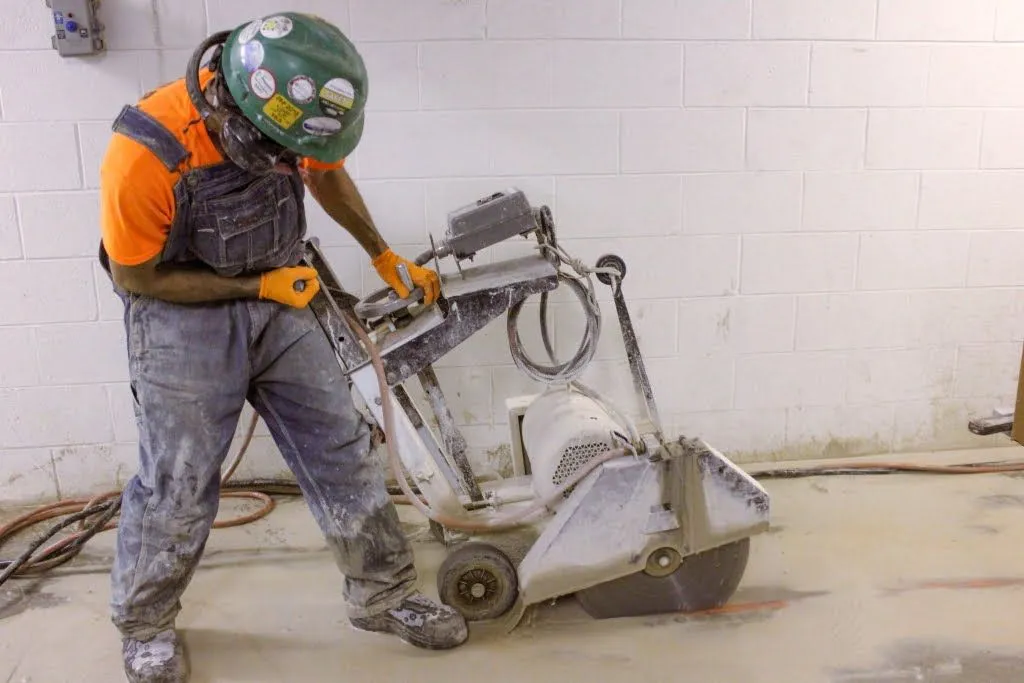
- The right cutting tool for the job. Core drilling is good for round holes. Wall saws are good for doors and windows. Wire saws or slab saws are used for bigger cuts.
- Support for heavy pieces. The team holds or lifts the cut piece safely so it does not fall.
- Safety gear. Workers wear masks or respirators, eye protection, ear protection, gloves, and safety shoes.
When a company uses these methods together, the risk goes down a lot.
Dust-Free Concrete Cutting: How It Works
Dust-free concrete cutting is a way of cutting that catches dust at the source, before it spreads in the room. Here is how it usually works:
- Water control: A thin stream of water goes on the blade. Dust mixes with the water and turns into a slurry, which is easy to collect.
- Vacuum attachments: A dust shroud sits around the blade or drill. A strong vacuum with a fine filter pulls dust away right away.
- Dust barriers: Plastic sheets and tape seal the work area, so dust does not travel into other rooms.
- Air cleaning: In some places, air cleaners or fans that push air outside help keep the air clear.
To be honest, no method is 100 percent dust-free. But good dust-free concrete cutting catches most of the dust, which makes indoor work much cleaner and healthier. Be careful with any company that promises “zero dust” without explaining how.
Why Indoor Concrete Cutting Dubai Projects Need Extra Care
Indoor concrete cutting Dubai jobs often happen in busy places. Many people live and work in towers, shared buildings, malls, and offices. That brings a few special points:
- Neighbors and other tenants: Noise and dust can affect people on the same floor or nearby floors.
- Building rules: Many buildings need approval from building management before any cutting starts. They may also limit work hours.
- AC systems: Dust can enter AC vents and spread through the building. Vents near the work area should be covered.
- Hot weather: Workers need breaks and water, and some materials dry faster in the heat.
- Cleanup: Lifts, corridors, and shared areas must stay clean and safe.
A team that knows how buildings in Dubai work can plan around these things and avoid complaints.
Is It Safe to Cut Concrete Indoors Without a Professional?
For very small jobs, like drilling a hole for a shelf or a light, many homeowners do it themselves with care. But for bigger jobs, like opening a wall, cutting a slab, or making space for a lift or duct, the answer changes.
So, is it safe to cut concrete indoors yourself? For big or structural work, it is not a good idea. Here is why:
- You may not know what is inside the concrete.
- Rental tools often lack good dust control.
- A wrong cut can weaken the structure of your building.
- You may break building rules or damage your neighbor’s property.
- Mistakes are often more expensive to fix than hiring a professional in the first place.
If you are not sure, always ask an expert first.
Safety Checklist Before Indoor Concrete Cutting Starts
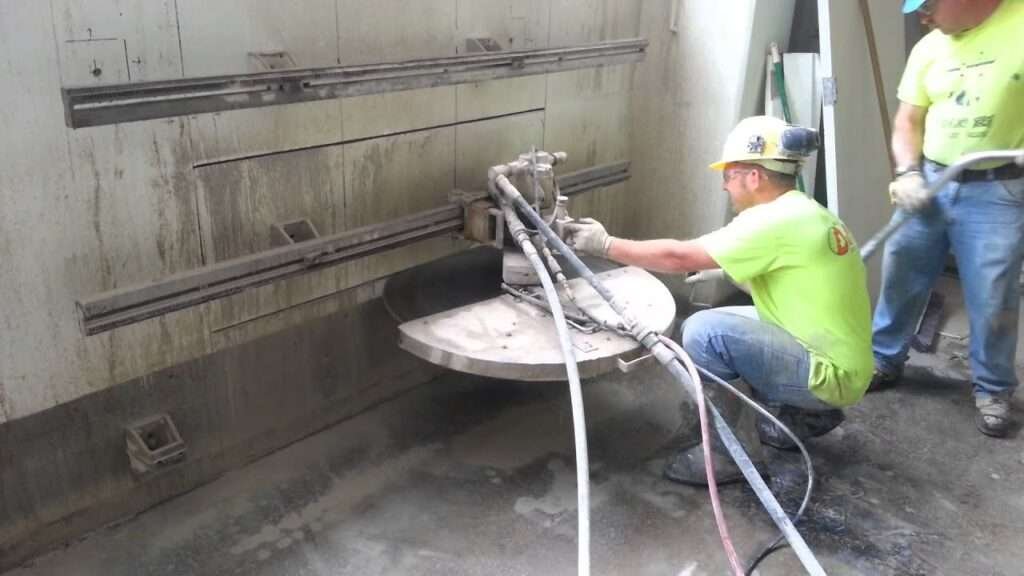
Use this simple list before any cutting begins:
- Get approval from building management or the owner if needed.
- Scan the area for steel, pipes, and cables.
- Mark the cutting lines clearly on the wall or floor.
- Switch off power and water lines near the work area if needed.
- Cover furniture and floors with strong sheets.
- Seal the room with plastic barriers and cover AC vents.
- Prepare water and vacuum systems for dust control.
- Keep people and pets away from the work area.
- Plan for waste removal so slurry and broken pieces do not stay behind.
- Wear the right safety gear at all times.
If your team follows this list, you can feel much calmer about the job.
Is It Safe to Cut Concrete Indoors in Apartments, Offices, and Malls?
Different places have different needs.
Apartments and villas: Neighbors are close, so noise and dust control are very important. Check the rules with your building management first.
Offices: Work is often done at night or on weekends, so staff are not disturbed. Dust barriers and vacuum systems are a must.
Malls, hospitals, and schools: These places have strict rules. Very low dust, low noise, and careful planning are needed.
Warehouses and factories: These are more open and easier to ventilate, but safety steps still matter, especially around machines and stored goods.
In all of these places, the answer stays the same. Indoor cutting is safe when the method and the team are right.
How to Choose a Team for Indoor Concrete Cutting Dubai
Not every company is ready for indoor jobs. Ask these questions before you hire:
- Do you have a valid trade license?
- Do you scan the concrete before cutting?
- Do you use wet cutting and dust extraction indoors?
- Which machines will you use, and are they safe for closed rooms?
- How will you protect my floors, furniture, and AC vents?
- How will you remove slurry and waste?
- Can I see photos or examples of similar indoor work?
You can also ask them directly: is it safe to cut concrete indoors at my site, and how will you control dust? A good company will give a clear, honest answer. It will not just say “no problem.”
Why Property Owners Choose FK Technical Services
FK Technical Services is based in Dubai and offers concrete cutting, core cutting, core drilling, diamond cutting, wall cutting, slab cutting, concrete scanning, lift cutting, duct cutting, road cutting, demolition, and excavation. This means one team can handle your whole project, from scanning to cutting to cleanup.
For every indoor job, we start with one question: is it safe to cut concrete indoors at this site? We check the space, scan the concrete, choose the right method, and plan dust and noise control before the first cut. Then we explain the plan to you in simple words, so you always know what will happen.
FAQs
1. Is it safe to cut concrete indoors at home?
Yes, if the work is planned and done with the right methods. Scanning, wet cutting, dust extraction, and proper safety gear all help. For anything bigger than a few small holes, it is best to hire a professional team.
2. What is dust-free concrete cutting?
It is a cutting method that catches dust at the source using water and vacuum systems. Plastic barriers also help keep dust inside the work area. It does not remove every bit of dust, but it makes the job much cleaner and safer.
3. Can concrete cutting indoors damage my building?
It can if it is done badly. A wrong cut can hit steel bars or pipes and weaken the structure. This is why scanning and careful planning are so important. A trained team knows where it is safe to cut.
4. Is wet cutting safe near electrical wires?
It can be, but only with care. A good team switches off power near the work area, protects sockets and cables, and controls the water so it does not spread. Always tell the team about any electrical lines you know of.
5. Do I need to leave my home or office during cutting?
Not always. For small jobs, you may stay in another room. For bigger jobs, or work that makes a lot of noise, it is better to stay away for a few hours. Your team can tell you what is best after seeing the site.
6. Is indoor concrete cutting Dubai allowed in apartments?
Often yes, but you usually need approval from your building management first. They may also set work hours and rules for dust, noise, and waste. Ask them before the work starts.
7. How do I know if a company follows safe concrete cutting methods?
Ask what tools they use, whether they scan first, and how they control dust and noise. A trusted company will explain its steps clearly and will happily show you its license and past work.
Final Thoughts
So, is it safe to cut concrete indoors? Yes, when you plan well, use safe concrete cutting methods, control dust, and hire a skilled team. The risks are real, but they can be managed with scanning, wet cutting, dust extraction, and good safety habits.
If you have an indoor project in Dubai, do not guess. Talk to an expert first. Contact FK Technical Services today for clear advice and a simple quote for your indoor concrete cutting job.