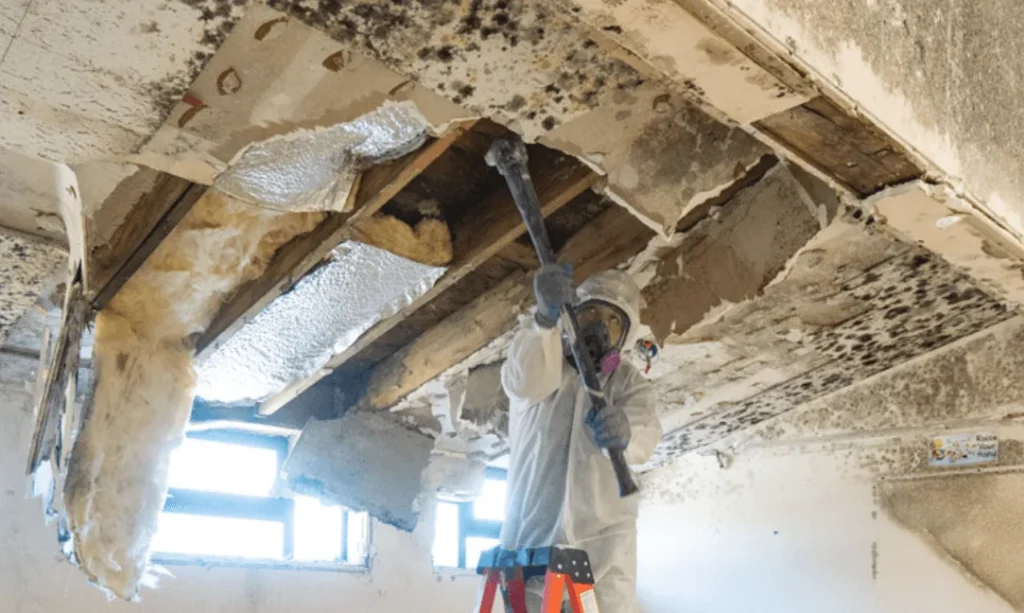
Structural element removal is the careful cutting and taking out of load-carrying parts of a building, such as columns, beams, walls, and slabs, with the right support in place. This guide explains what these parts are, why they are removed, which methods are used, how safety and permits work in Dubai, what changes the price, and how to choose a trusted team. You will also find answers to common questions at the end.
Maybe you want an open-plan living room, a wider shop entrance, or a new lift shaft. These changes often mean taking out a part that holds up the building. Done wrongly, structural element removal can cause cracks, sagging floors, or even collapse. Done right, it opens your space safely. At FK Technical Service, we support owners, engineers, and contractors across Dubai with this work. Read on to learn how it should be done.
What Is Structural Element Removal?
Every building has a frame that carries its weight. This frame passes the load from the roof and floors down through beams, columns, and walls into the foundation. These parts are called structural elements.
Common structural elements include:
- Columns: Upright supports that carry weight down to the ground
- Beams: Horizontal parts that carry the floors and roof
- Load-bearing walls: Walls that hold up the floors above them
- Slabs: Thick concrete floors or roof decks
- Staircases and landings: Concrete steps that are part of the building
- Foundations and footings: The base that rests on the ground
Structural element removal means taking out one or more of these parts, either fully or in part. Because they hold the building up, you cannot treat them like a normal wall or floor. The load must be moved somewhere else first, using temporary supports or a new beam. Only then can the old part be cut away.
Structural Element Removal Services in Dubai
Dubai has towers, villas, malls, warehouses, and car parks, and many of them are updated over time. Owners change layouts, add lifts, join units, or fix damaged parts. That is why professional structural element removal services in Dubai are in demand.
A complete service usually includes:
- A site visit and review of the building plans
- Work with the structural engineer to plan the steps
- Setting up temporary supports, also called propping or shoring
- Cutting the element into safe pieces with the right tools
- Controlling dust, noise, and vibration
- Taking away the broken concrete and waste
- Checking the area for cracks or movement after the job
The key point is that this is a team effort. The engineer designs the plan, and the removal team carries it out step by step.
Why Would You Remove a Structural Part?
There are many good reasons, and most are about changing how a space is used. Common cases include:
- Open layouts: Removing a column or wall to join two rooms or create a larger hall
- New openings: Cutting space for a lift, staircase, or escalator
- Shop and office changes: Wider entrances, display areas, or new floor plans
- Damaged parts: A beam or column that is cracked, rusted inside, or weak
- Building upgrades: Adding a floor or changing the use of the building
- Rebuilding: Taking down part of an old structure to make room for a new one
In all of these cases, the first step is the same. Ask a qualified structural engineer to check if the change is possible and how it should be done.
The Golden Rule: Get an Engineer’s Plan First
You should never remove a structural part just because it looks easy. A column may carry more weight than you think. A wall that seems plain may be holding up a whole floor.
A structural engineer will study the building drawings and the site. They will work out:
- How much load the part is carrying
- Where that load can safely go
- What temporary supports are needed
- If a new beam, column, or steel frame must be added
- The right order of work, step by step
This plan is the base of the whole job. A good removal company follows it closely and does not skip steps to save time.
Methods Used for Structural Element Removal
The best method depends on the size, material, and location of the part. These are the most common ones.
Wall Sawing
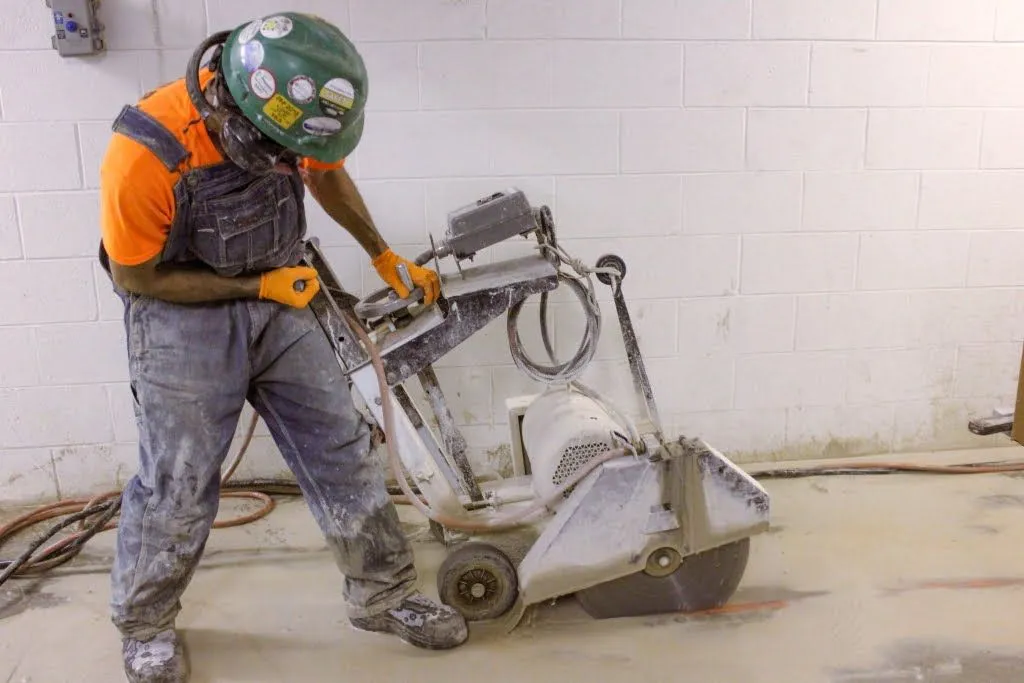
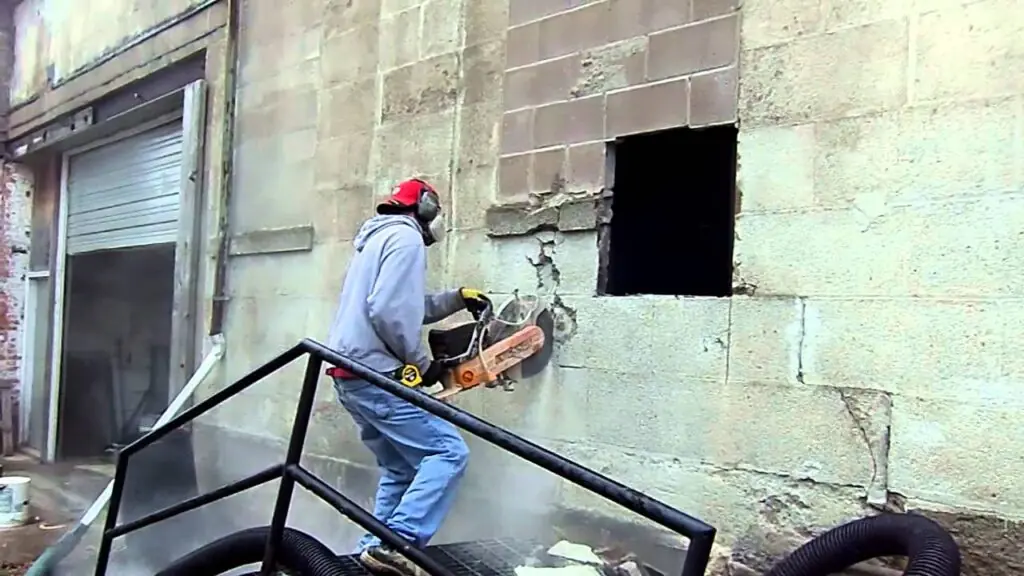
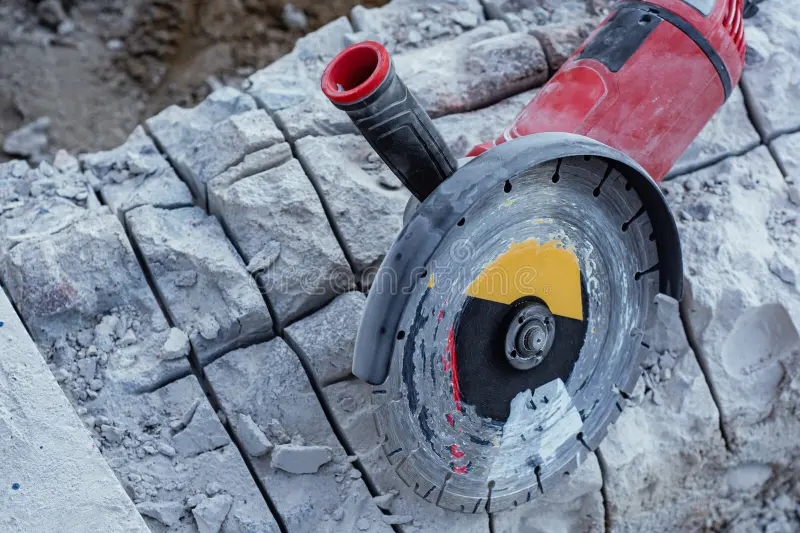
A wall saw uses a diamond blade to cut straight lines in concrete walls and beams. It gives neat edges and low vibration. It is often used when only part of a wall must be removed.
Wire Sawing
A wire saw uses a long wire with diamond beads. It can cut thick beams, big columns, and heavy concrete pieces that other saws cannot handle. Workers can cut the element into blocks that are lifted out safely.
Core Drilling
A core drill makes round holes. It is often used to start cuts, to relieve stress in the concrete, or to pass pipes and cables. It is quiet and causes very little shaking.
Hydraulic Crushers and Breakers
These machines crush or break concrete in a controlled way. They are good for big removal work, but they must be used carefully near parts of the building that will stay in place.
Hand Tools
For tight spaces and final finishing, workers use small breakers and hand tools. They give control, but they are slow, so they are used only where needed. Most jobs use more than one method. For example, a team may use core drilling and wire sawing together to cut out a thick beam in small blocks.
Temporary Supports: Keeping the Building Safe
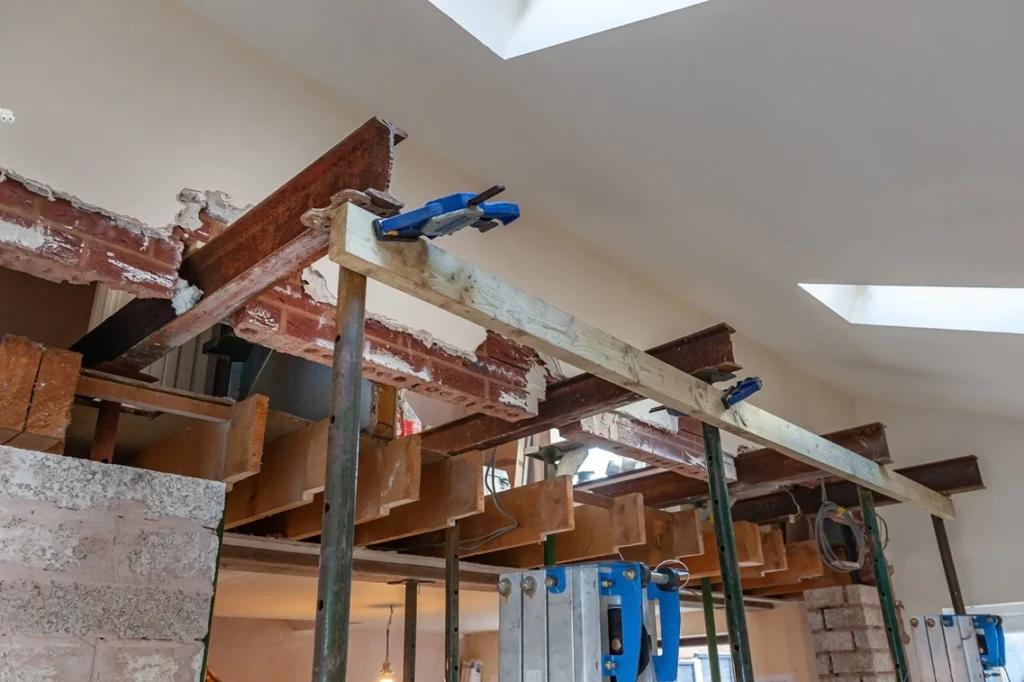
Before cutting, the team must hold the building in place. This is done with temporary supports, such as steel props, shoring towers, or beams. They take the load while the old part is being removed.
Important points about supports:
- They must be placed before any cutting begins
- They must match the load, as set by the engineer
- They must stay in place until the new support is ready and has taken the load
- They must be checked often during the work
Skipping or rushing this step is one of the biggest causes of damage and accidents.
Safety Rules for Structural Element Removal
Safety is the top priority on every job. Here is what a careful team does:
- Follows the engineer’s drawings and method statement
- Wears helmets, gloves, safety shoes, eye protection, ear protection, and dust masks
- Closes off the work area and keeps people away from the zone below and around it
- Checks for hidden pipes, cables, and post-tensioned cables before cutting
- Cuts the element into small, safe pieces that can be handled
- Uses water or dust collectors to keep dust low
- Watches for cracks, movement, or sounds that show stress
- Uses only trained operators for cutting machines
A post-tensioned slab or beam has steel cables under very high tension inside. Cutting these without a clear plan can be extremely dangerous. If you think your building has them, tell your contractor and engineer before any work starts.
Permits and Approvals in Dubai
In Dubai, you cannot simply start removing structural parts. You usually need approval from the owner, the building or community management, and in many cases the local authority. The engineer’s drawings are often part of the request.
The rules can change depending on the type and location of your building. Check with your building manager early, and ask a professional company what papers you need. This helps you avoid fines, stop-work orders, and delays.
What Affects the Cost of Structural Element Removal?
Every job is different, so there is no single price. These are the main things that change the cost:
- Type and size of the element: A small beam costs less than a large column or full wall.
- Material and steel inside: More steel bars make cutting harder and slower.
- Supports needed: Temporary propping and new beams add cost.
- Method used: Wire sawing usually costs more than simple breaking, but it is often safer and cleaner.
- Location: High floors, basements, and tight spaces add effort.
- Working hours: Night work or limited hours may need extra planning.
- Engineer and permit costs: Drawings, approvals, and inspections are separate from the removal work.
- Waste removal: Heavy concrete must be carried out and dumped properly.
The best way to get a fair price is to ask for a site visit and a written quote. Be careful with very low offers. Cutting corners on structural work can cost much more later.
Structural Element Removal Services Near Me: How to Choose the Right Team
When you search for structural element removal services near me, you will find many choices. Use this checklist to pick the right one:
- Experience with structural work: Ask about past jobs, not just simple wall cutting.
- Works with engineers: A good company follows engineer plans and does not guess.
- Proper equipment: Wire saws, wall saws, and core drills show a professional setup.
- Safety plan: Ask how they handle supports, dust, and site safety.
- Clear quotation: It should list the work, the method, and what is included.
- Site visit: A good company checks your site before giving a final price.
- Local knowledge: They should know Dubai building rules and approval steps.
- Simple communication: They should explain things in plain words.
Why Choose FK Technical Service?
At FK Technical Service, we focus on safe, neat, and on-time work for homes, offices, shops, and building sites in Dubai. We follow the engineer’s plan, use the right cutting method for each job, and protect the parts of the building that stay. We keep dust and noise low, and we clean up when we finish.
Visit fktechnicalservicedubai.com to tell us about your project and ask for a clear quote.
Frequently Asked Questions
How long does structural element removal take?
It depends on the size and type of the part, the supports needed, and the site. A small opening may take a day or two. A large column or beam, with propping and new support work, can take several days or weeks. A site visit gives the best estimate.
Can I remove a column or load-bearing wall myself?
No. This is not a do-it-yourself job. You need an engineer’s plan, temporary supports, and trained workers. A mistake can damage the building and put people at risk.
How do I know if a wall is load-bearing?
You cannot tell just by looking. Thick walls are not always load-bearing, and thin walls sometimes are. Building drawings and an engineer’s check are the only safe way to know.
Do I need permission in Dubai?
Yes, in most cases. You normally need approval from the owner or building management, and sometimes from the local authority. Always ask before you start.
Is the work noisy and dusty?
Some noise and dust are normal. But methods like wall sawing, wire sawing, and core drilling cause less noise and vibration than heavy breaking. Water cutting and dust covers help keep the area clean.
Will the building be safe after the removal?
Yes, if the job is planned and done correctly. The engineer designs new support where needed, and the team follows the plan step by step. A final check confirms that everything is stable.
Can you remove only part of a structural element?
Sometimes. For example, a small opening can be cut in a wall or beam, but it may need extra reinforcement. The engineer decides what is safe.
Final Thoughts
Changing the structure of a building can give you more space, better light, and a new layout. But it is serious work that needs a plan, the right tools, and trained people. Get an engineer’s drawings, check the permits, set up proper supports, and choose a team you trust. When structural element removal is done step by step, your building stays safe and your project stays on track. If you need help in Dubai, contact FK Technical Service and let our team handle the heavy work.