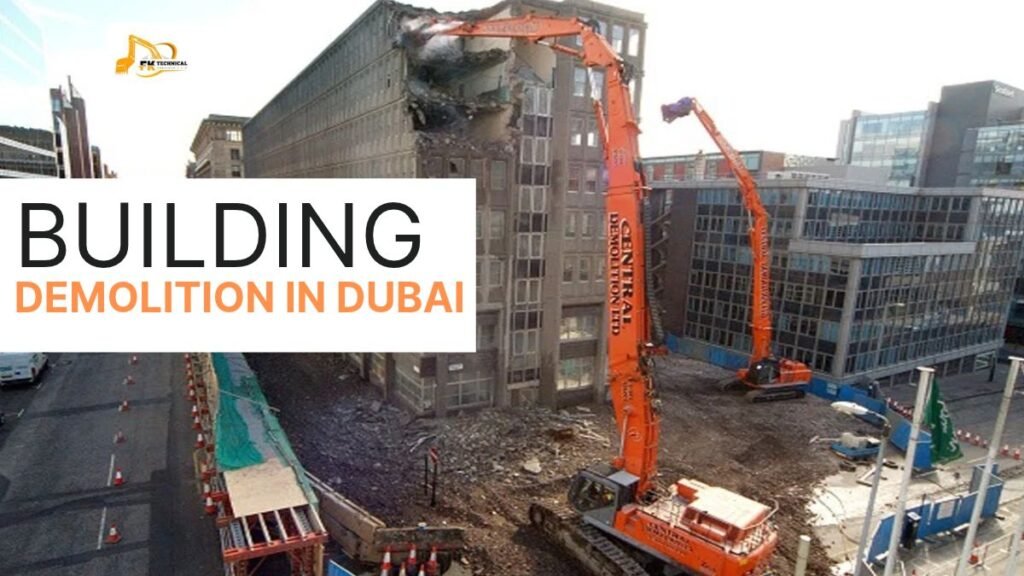
Building demolish work means taking down a building, or a large part of it, in a safe and planned way, using the right tools, trained people, and the correct permits. This guide explains the types of demolition, how to demolish a building step by step at a planning level, the methods and tools used, safety and permit rules in Dubai, what changes the price, and how to choose a trusted team. You will also find answers to common questions at the end.
Maybe you own an old villa that must make way for a new one. Maybe a warehouse, shop, or office block must be cleared before building starts. A building demolish project is big, noisy, and risky, and mistakes can hurt people or damage nearby property. That is why it should never be a rush job or a do-it-yourself task. At FK Technical Service, we help owners, builders, and developers across Dubai with careful demolition and cutting work. Read on to learn how a good project should run.
What Does Building Demolish Mean?
In simple words, it means taking a building down. This can be done all at once or in small steps. It can cover a full building, one floor, one wing, or just the inside parts such as walls, ceilings, and fixtures.
Most people use the words “demolish” and “demolition” for the same idea. A building demolish project is more than breaking walls. It includes:
- Studying the building and its surroundings
- Getting permission from the owner and the authorities
- Switching off power, water, gas, and other services
- Removing risky materials and fittings
- Taking down the structure in the right order
- Sorting, loading, and removing the waste
- Leaving the site clean and level for the next stage
Because every building is different, there is no single method. The plan depends on the size, height, age, materials, and the area around it.
Types of Building Demolish Work
Not every job means a full knock-down. Here are the main types.
Full Demolition
The whole building is removed down to the ground, and often the foundations too. This is the biggest type of job and needs heavy machines and strict safety steps.
Partial Demolition
Only one part is removed, such as a floor, a wing, a balcony, or a section of wall. The rest of the building stays in use. This needs careful cutting so the remaining structure is not harmed.
Interior Demolition and Strip-Out
Only the inside parts are removed, such as partitions, false ceilings, floors, kitchens, and fixtures. The main structure stays. This is common before a renovation or fit-out.
Selective Demolition
Specific parts are taken out with great care, such as a column, a beam, a stair, or a slab section. This often uses saws and drills for clean, controlled cuts.
Site Clearing
Old foundations, slabs, walls, and leftover concrete are removed so the land is clean and ready for new work.
How to Demolish a Building: Methods and Tools
Many people search for how to demolish a building, but the real answer is that it should be done by trained professionals with an engineer’s plan. Still, it helps to know the main methods so you can ask the right questions.
Mechanical Demolition
Large machines, such as excavators with breakers, crushers, and shears, break down concrete and steel. This is the most common method for full buildings. It is fast, but it needs space, dust control, and careful planning near other buildings.
Top-Down Dismantling
In taller buildings, floors are removed one at a time from the top down. Machines or cranes lower the pieces safely. This keeps the work controlled and away from neighbors.
Cutting and Sawing
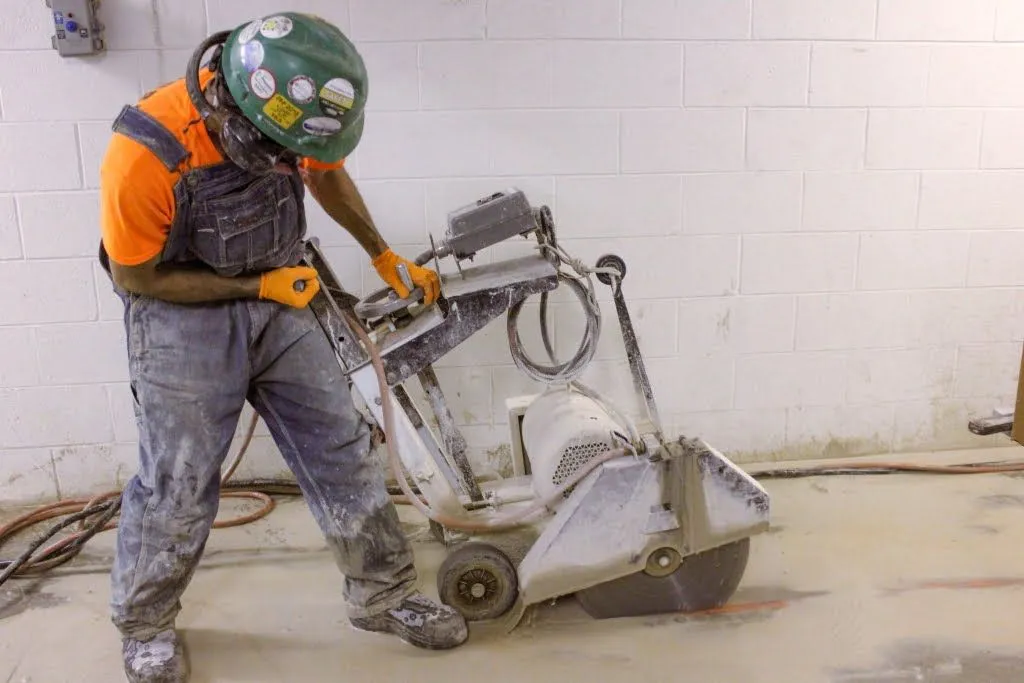
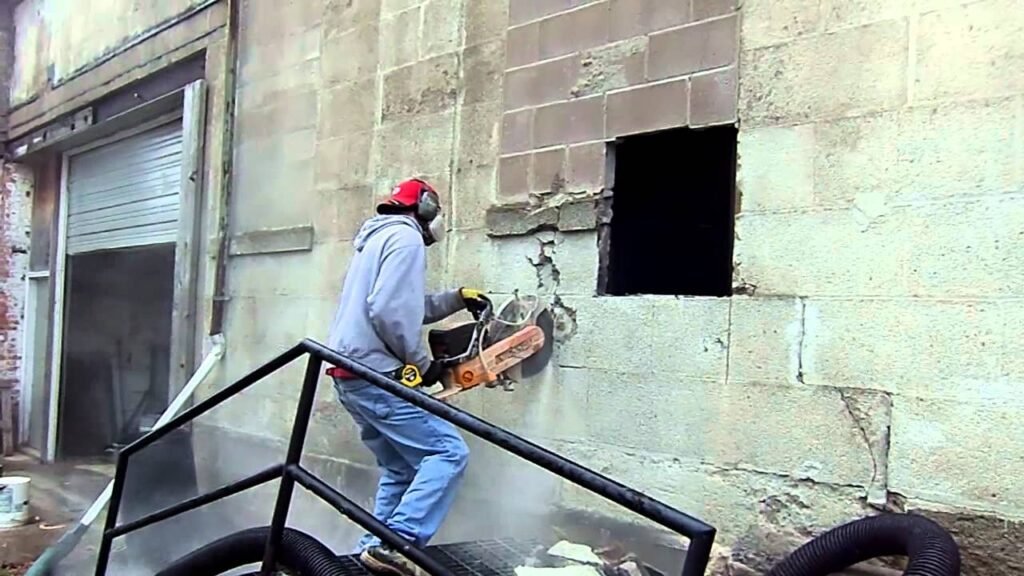
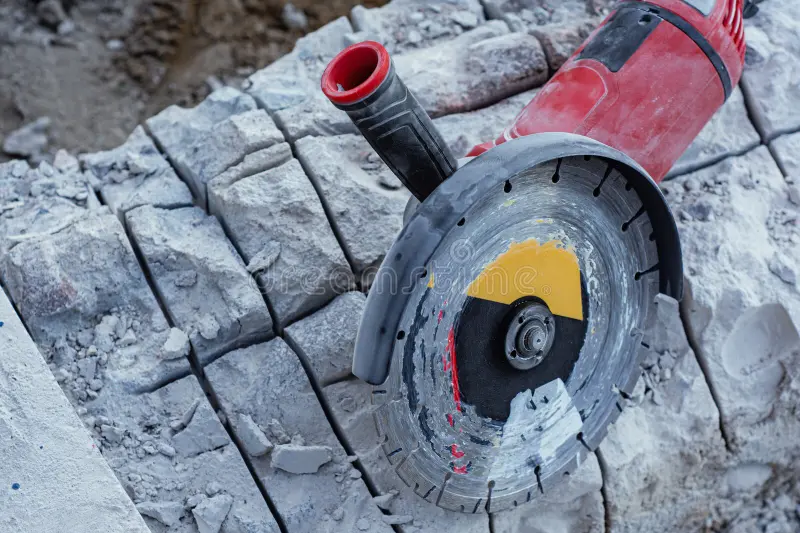
Wall saws, floor saws, and wire saws cut concrete into sections that can be lifted out. This is best where noise, dust, and vibration must stay low, such as in busy areas or next to other buildings.
Core Drilling
Hollow diamond bits make round holes. Teams use them to release stress in concrete, to start larger cuts, and to remove parts neatly.
Hand Demolition
For small areas or fragile places, workers use hand-held breakers and tools. It is slower, but it gives control where machines cannot fit.
Explosives
In some very large projects around the world, special teams use explosives. This is rare, very strict, and only done by licensed experts with full approval. It is not common for normal buildings in a dense city like Dubai.
Most real projects use more than one method together.
Building Demolish Process: Step by Step
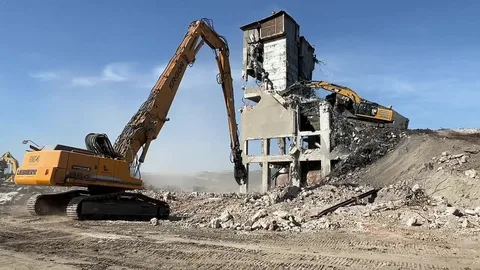
Every site is different, but most projects follow these steps.
Step 1: Survey and study. Engineers and the demolition team check the structure, materials, and surroundings. They look at nearby buildings, roads, and utility lines.
Step 2: Planning. A written plan is made. It lists the order of work, the tools, the safety steps, the time, and how waste will leave the site.
Step 3: Approvals. Permits and permission are arranged with the owner and the authorities.
Step 4: Disconnecting services. Power, water, gas, air-conditioning, and communication lines are shut off safely and sealed.
Step 5: Hazard check. The team checks for risky materials, leftover chemicals, and anything that needs special handling before work begins.
Step 6: Site setup. Barriers, signs, covers, and dust control are installed. Safe routes for trucks and workers are marked.
Step 7: Strip-out. Fixtures, doors, windows, ceilings, and finishes are removed first.
Step 8: Structure removal. Walls, slabs, beams, and columns are taken down in the planned order.
Step 9: Waste handling. Concrete, steel, and other waste are sorted. Many materials can be recycled.
Step 10: Final cleaning. The site is cleaned, leveled, and handed over.
Site Demolition in Dubai: Permits, Rules, and Planning
Site demolition in Dubai is not something you can simply start. Rules apply to the owner, the contractor, and the neighbors. Here is what you should expect to deal with.
Permits and Approvals
You usually need approval from the property owner, the building or community management, and the local authority. Papers may include building drawings, a method statement, safety plans, insurance, and a waste plan. The rules can differ by area and building type, so always check early.
Utilities
Power, water, and other lines must be disconnected through the proper providers before work starts. A good contractor helps you plan this.
Neighbors and Community Rules
Many areas have limits on working hours, noise, and dust. Some require notices to nearby residents or businesses. Ask your community management what applies to your site.
Waste Rules
Demolition waste must go to approved places, not be dumped anywhere. Concrete, steel, and other materials are often recycled.
Engineer’s Role
For large or tall buildings, a structural engineer helps decide the safe order of work, and checks any parts that may be weak or under stress. A professional company can tell you which papers are needed and help you prepare them. This prevents stop-work orders, fines, and delays.
Safety Rules for Building Demolish Projects
Safety is the top priority on every project. A careful team will:
- Write a safety plan and method statement before starting
- Follow the engineer’s advice on the order of work
- Wear helmets, gloves, safety shoes, eye protection, ear protection, and dust masks
- Check for risky materials, gas, and live cables before cutting or breaking
- Set up barriers, signs, and safe zones around the site
- Add temporary supports when removing parts that carry weight
- Keep people, cars, and walkways away from lifting and falling zones
- Use trained operators for cranes, saws, and heavy machines
- Control dust, noise, and vibration all day
- Keep the site clean so no one trips or gets hurt
A site with weak safety habits is a warning sign. Always ask how a company manages risk before you hire it.
What Affects the Cost of Building Demolish Work?
Every job is different, so there is no single price. These are the main things that change the cost:
- Size and height: Larger and taller buildings need more time and equipment.
- Type of structure: Heavy concrete, steel frames, and thick walls are harder to remove.
- Method used: Cutting and top-down dismantling cost more than simple breaking, but give more control.
- Site access: Tight streets, shared walls, and no room for machines add effort.
- Nearby buildings: Close neighbors may need extra protection and slower work.
- Risky materials: Safe handling and disposal add time and cost.
- Dust and noise limits: Strict limits may need special tools and more time.
- Working hours: Night or limited hours need extra planning.
- Waste amount: More debris means more loading, hauling, and dumping.
- Salvage value: Steel and some materials can sometimes lower the total cost.
- Permits and engineer plans: Approvals and drawings may be separate costs.
To get a fair price, ask for a site visit and a written quote. Be careful with very low offers. Cutting corners on safety can lead to accidents and large bills later.
How to Choose the Right Demolition Team
When you compare companies, use this checklist:
- Experience: Ask for examples of past jobs in Dubai, not just general claims.
- Right equipment: Heavy machines, saws, and drills show a professional setup.
- Trained team: Skilled operators and supervisors make fewer mistakes.
- Safety plan: They should clearly explain how they control risk, dust, and noise.
- Clear quote: It should list the work, the method, and what is included.
- Works with engineers: They should follow engineer plans, not guess.
- Help with permits: A good company guides you through the papers.
- Waste plan: They should explain where the waste goes and what is recycled.
- Local knowledge: They should know Dubai rules and building types well.
- Clear communication: They should explain everything in plain words.
Why Choose FK Technical Service?
At FK Technical Service, we focus on safe, neat, and on-time work for homes, offices, shops, and industrial sites across Dubai. We plan each step, use precise cutting and removal methods, protect nearby areas, and keep dust and noise low. When the job is done, we clean the site and hand it over ready for your next step.
Visit fktechnicalservicesdubai.com to tell us about your project and ask for a clear quote.
Frequently Asked Questions
How long does a building demolish project take?
It depends on the size, height, and type of building. A small interior strip-out may take a few days. A full villa can take a few weeks. A large tower can take months because the work is done in careful stages. A site visit gives the best estimate.
How do I know how to demolish a building safely?
The safe way is to hire a trained company and follow an engineer’s plan. They will study the building, get approvals, shut off services, and remove the structure in the right order. This is not a job to try yourself.
Do I need permission before site demolition in Dubai?
Yes, in most cases. You usually need approval from the owner or building management, and often from the local authority. Always check before you start.
Is demolition noisy and dusty?
Some noise and dust are normal. But water spray, dust covers, saws, and careful planning keep both lower. A good team also protects nearby areas and cleans up daily.
Can part of a building stay in use during demolition?
Sometimes, yes. With strong barriers, dust control, and careful planning, one part can be removed while another stays open. A site visit will show if this is possible.
What happens to the waste?
The team sorts it and takes it to approved places. Concrete and steel can often be recycled.
Does demolition always use explosives?
No. Most jobs in Dubai use machines, saws, drills, and hand tools. Explosives are rare and need special licensed experts and strict approval.
Can I demolish a small building or wall myself?
We do not suggest it. Even small structures can hide pipes, cables, and weight-bearing parts. Without training and the right tools, you could cause damage or serious injury.
Final Thoughts
A building demolish project is a big step, but it does not have to be a stressful one. With a clear plan, trained people, the right tools, and proper permits, the work can be safe, clean, and on time. Know the steps, ask about safety, check the approvals, get a written quote, and choose a team you trust. If you need help in Dubai, contact FK Technical Service and let our team handle the heavy work.